Bite-Sized Behaviour
Welcome to Bite-Sized Behaviour — real-life behaviour insights you can watch in just a few minutes.
These short clips highlight everyday moments that reveal so much about how dogs communicate, respond to their environment, and navigate the world around them. Think of them as snack-sized lessons — easy to digest, practical to use, and focused on the small details that make a big difference.
🎥 Mini behaviour breakdowns — short clips highlighting timing, movement, and communication in action.
🐾 Real-life behaviour insights — what dogs are communicating through their body language.
💡 Quick takeaways — small shifts that can change how you understand and respond to your dog.
Whether you’ve got two minutes or ten, these videos are designed to give you something useful right away.

Body Language
Dogs communicate through subtle shifts in their posture, expression, and movement. These clips highlight the small signals that reveal how your dog is feeling in the moment.
Understanding these cues helps you spot early stress, comfort, curiosity, hesitation, and everything in between — long before anything escalates.
Facial Expressions
Dogs communicate a lot through their eyes, mouth, and overall facial tension. These clips highlight the small shifts—like softening, tightening, blinking, or looking away—that reveal what your dog is feeling in the moment.
Understanding these signals helps you notice early stress, growing discomfort, or moments of relaxation long before a behaviour escalates.

A quick breakdown of tongue flicks — what they look like and what they can tell you about how your dog is feeling.
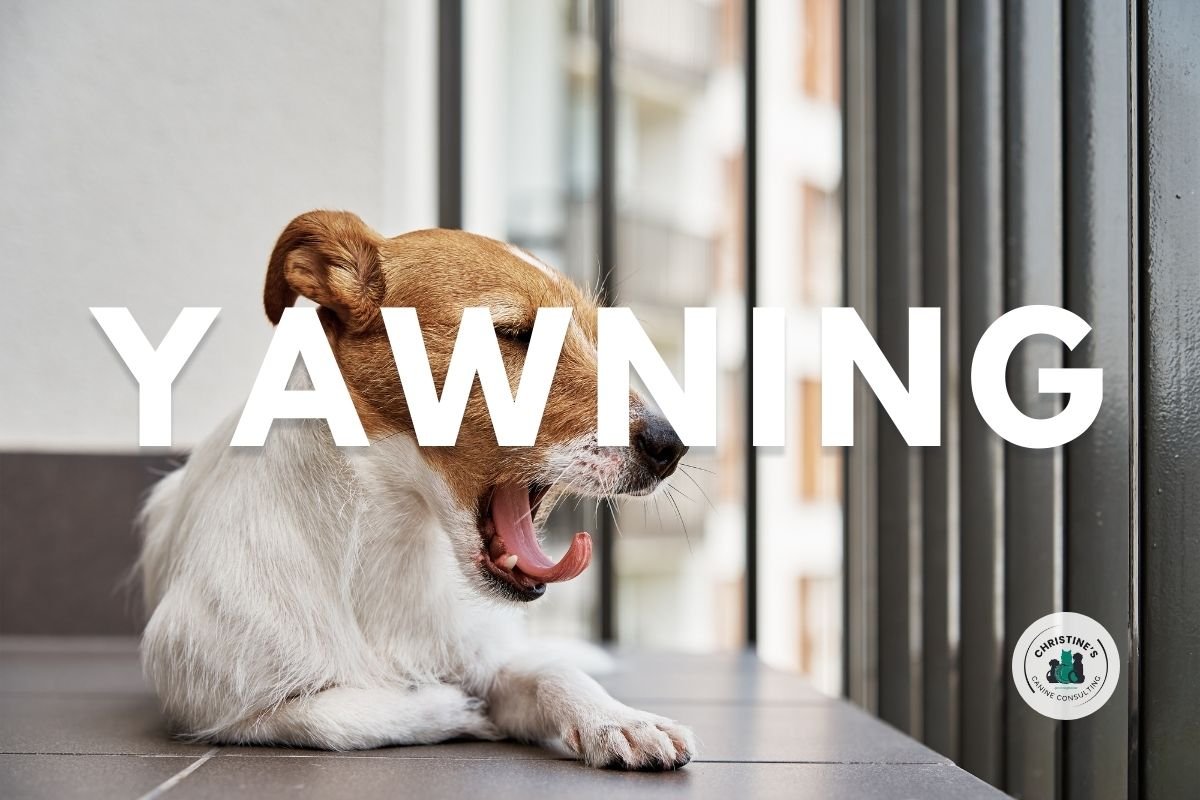
For dogs, yawning isn’t always about being tired or bored.
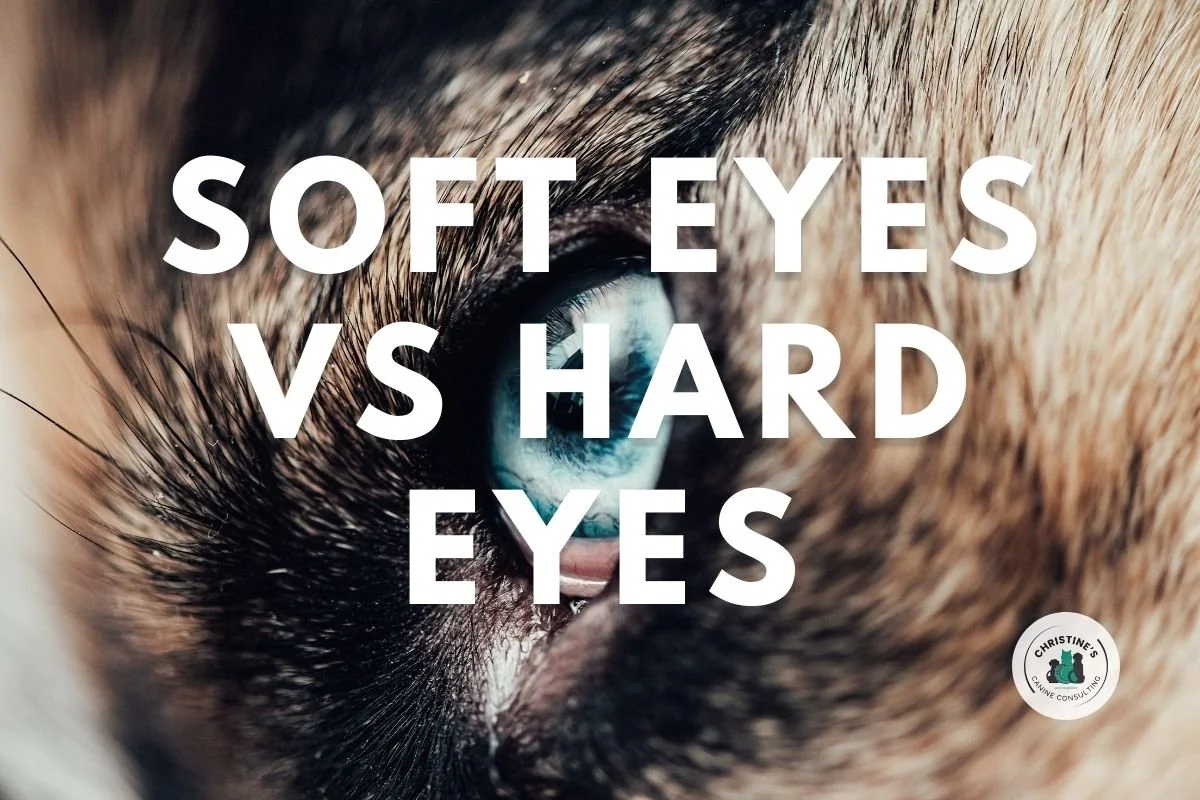
Noticing changes in your dog’s eyes helps you spot when their feelings start to change — long before their behaviour does.
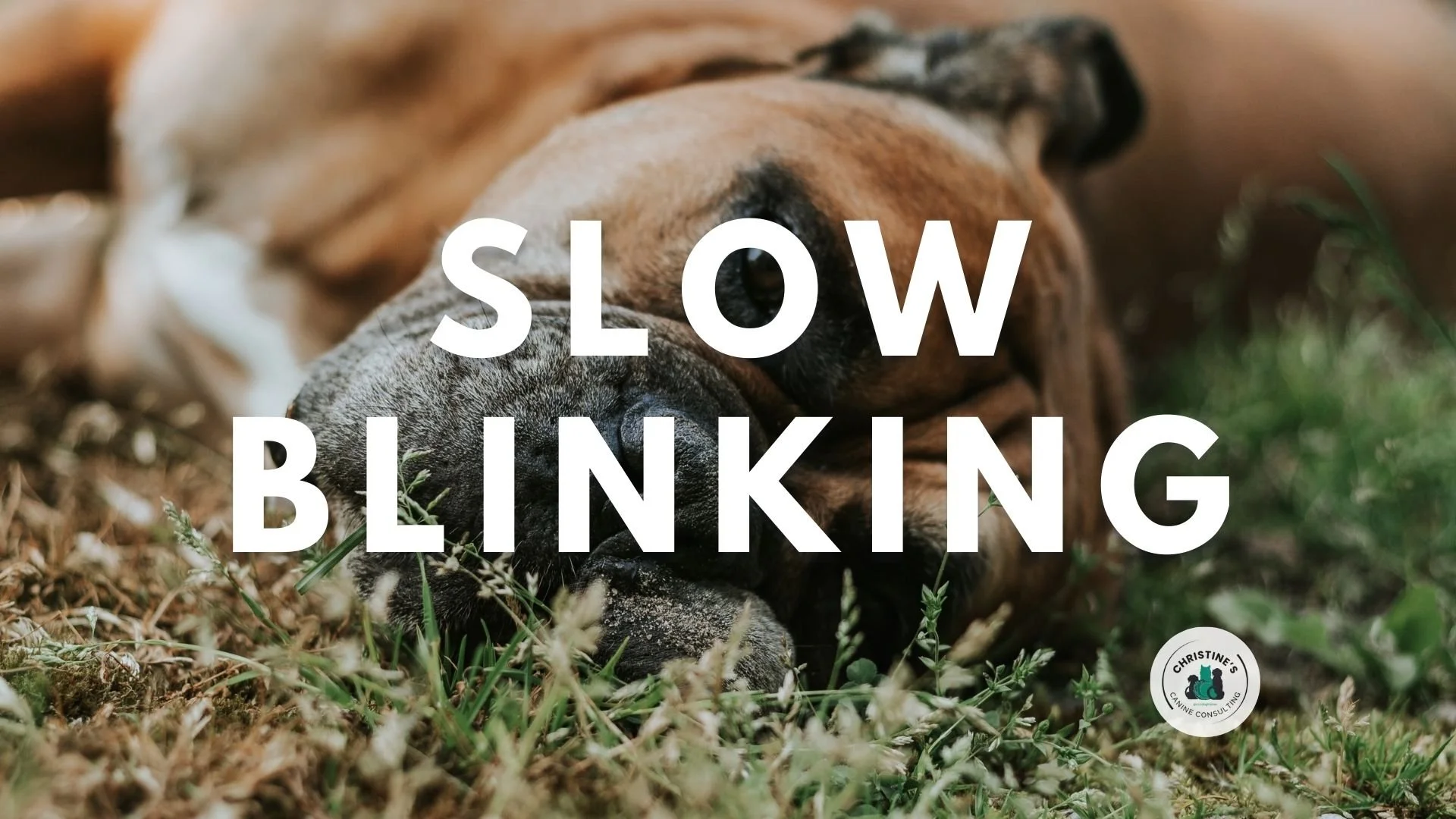
Between dogs, slow blinking helps ease social pressure. When directed toward people, it’ shows trust.
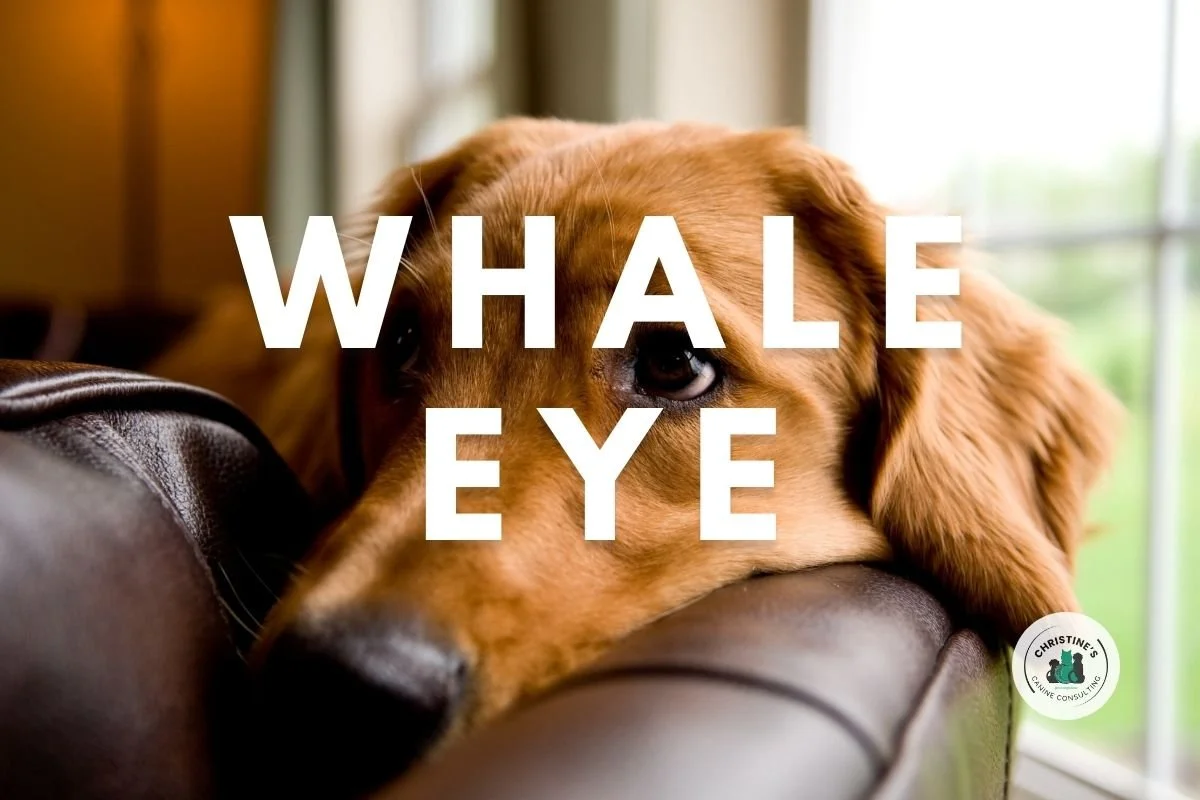
A breakdown of what whale eye looks like and what it can tell you about how your dog is feeling in the moment.
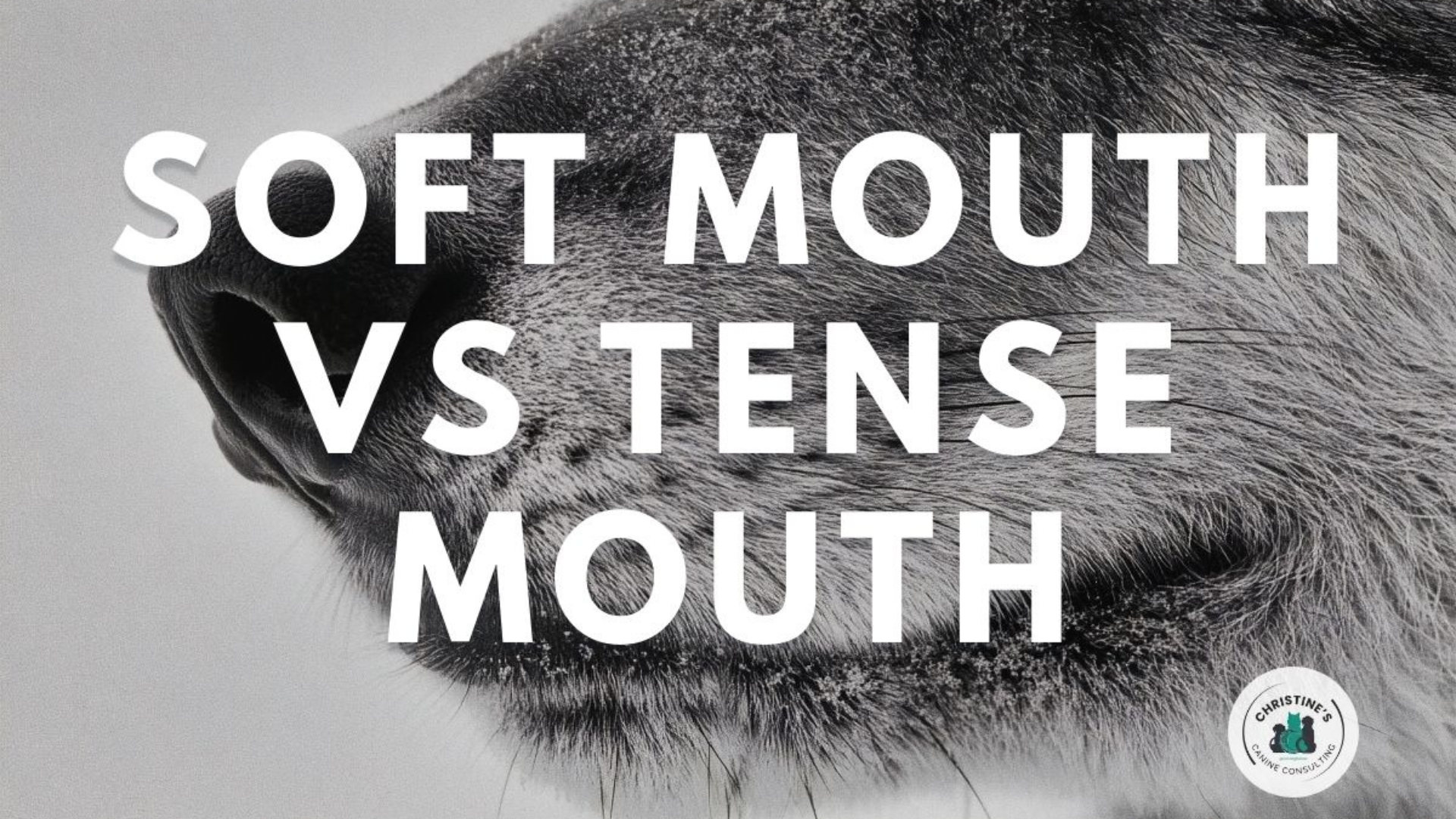
A dog’s mouth — and the muscles around it — can offer important clues about how they’re feeling.
Body Posture & Weight Shifts
A dog’s posture and the way they carry their weight offer important clues about how they’re feeling.
A forward lean can signal interest or tension, while shifting weight back may suggest uncertainty or a need for space. Stiffness often means a dog is bracing, while a loose, balanced body reflects comfort.
These changes often show up before more obvious behaviour, giving you a chance to step in and adjust the situation early.
Movement & Stillness
Movement — and sudden stillness — can reveal how a dog is processing what’s happening around them. Behaviours like sniffing the ground, slowing down, pausing, freezing, or changing direction can be ways a dog releases pressure, gathers information, or creates space.
Watching how and when movement changes helps you understand your dog’s internal state and recognize moments where they may need support, distance, or a break.
When a normal behaviour happens in an abnormal context.
Movement → Disengagement → Reset
Real-Life Reset Moment
Lucy investigates unfamiliar scents after a vet visit, disengages when space is created, and performs a quick reset. These small transitions reveal how animals process and regulate in real time.
Body Language In Context Putting It All Together
Enough talk — here are some real-life examples to help you read the room and understand what your dog is trying to say. Body language in context.
Coming across scary or unexpected things in the environment.
Even accidental leash corrections cause a stress response.
Ella is both excited and nervous to greet my Dad. Conflicting emotion can cause mild stress.
Hank comes in amped and looking for engagement. When Hazel doesn’t respond, he redirects his focus and his barking toward me.
This is what attention seeking or deman barking looks like.
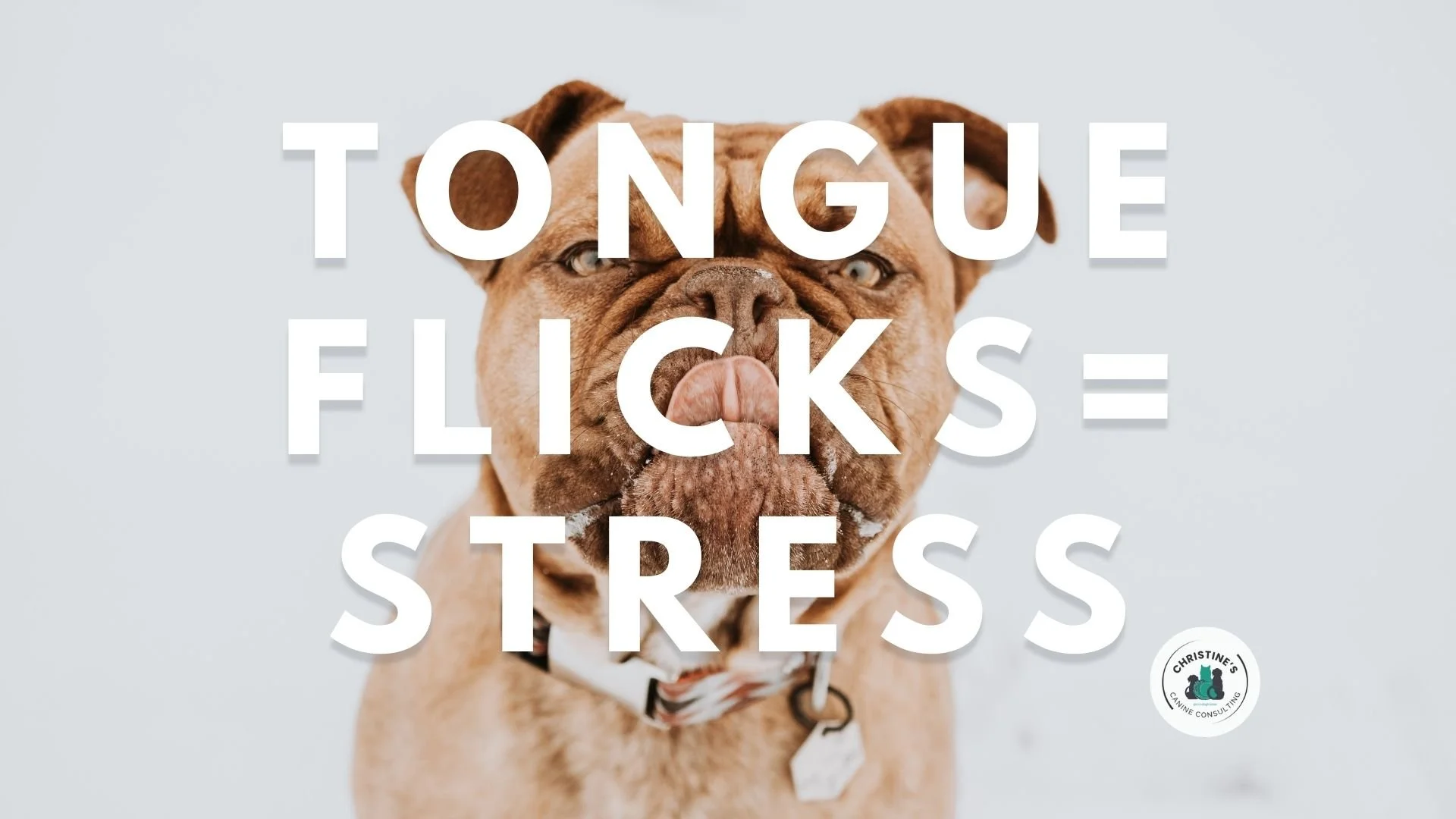
I turn the start of a walk into whole ordeal for Lucy.