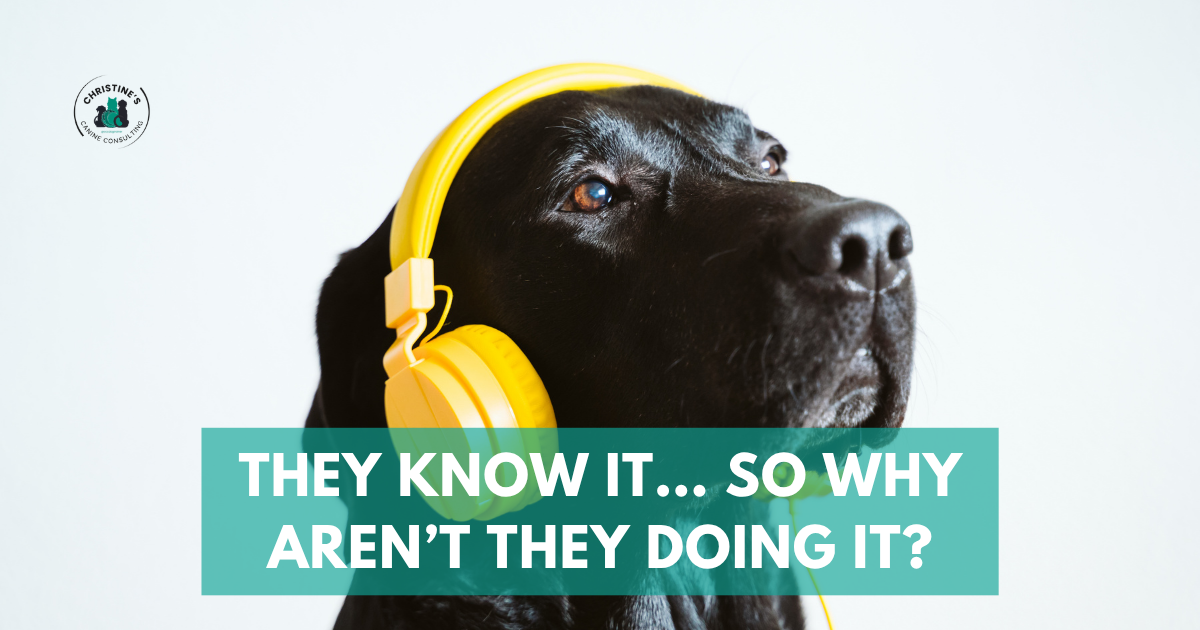
They Know It… So Why Aren’t They Doing It?
They used to do it every time. Now they hesitate—or don’t do it at all.
It’s easy to assume they’re ignoring you. But that’s not what’s really going on.
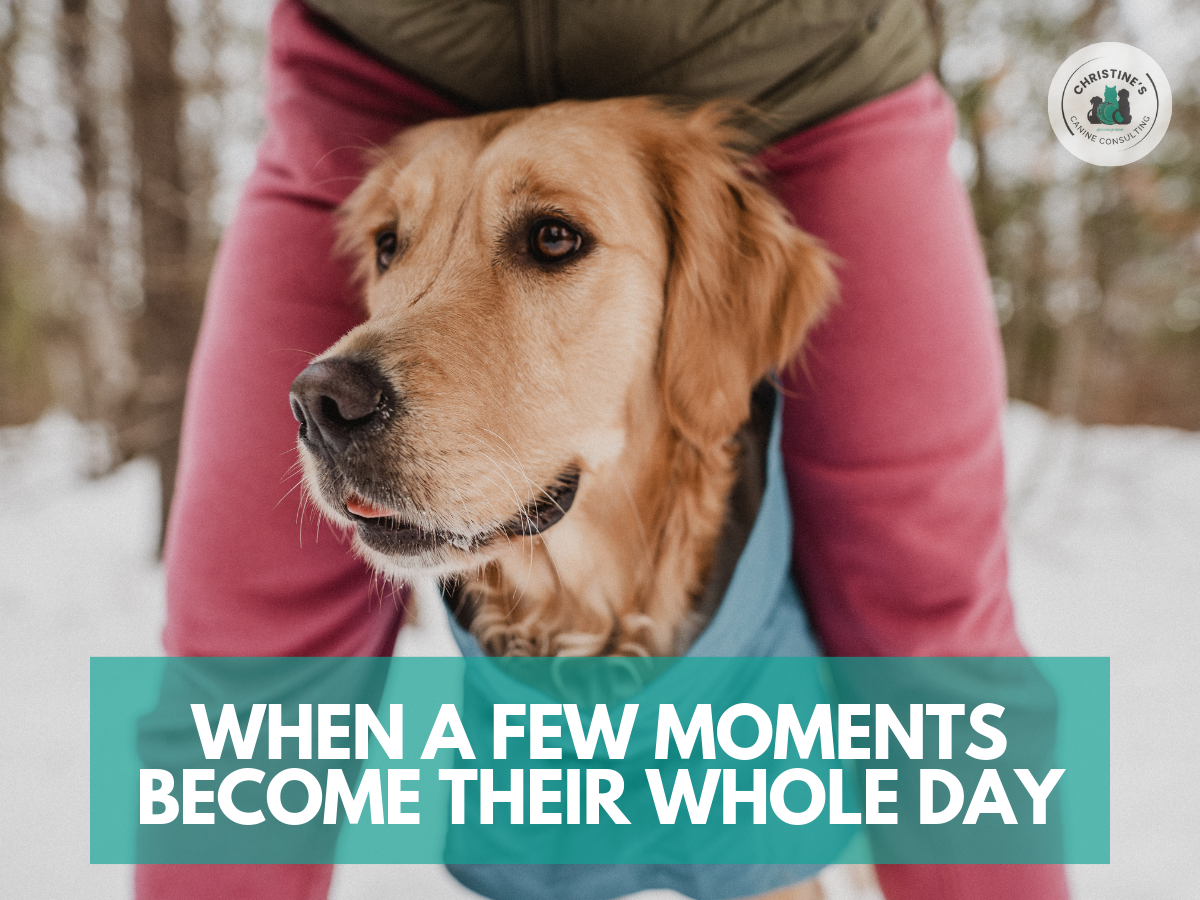
When a Few Moments Become Their Whole Day
When a dog’s day only includes a handful of meaningful moments — walks, meals, someone coming home — those moments start to carry more weight than they were meant to. What looks like “bad behaviour” is often the overflow of a day with too few appropriate outlets.
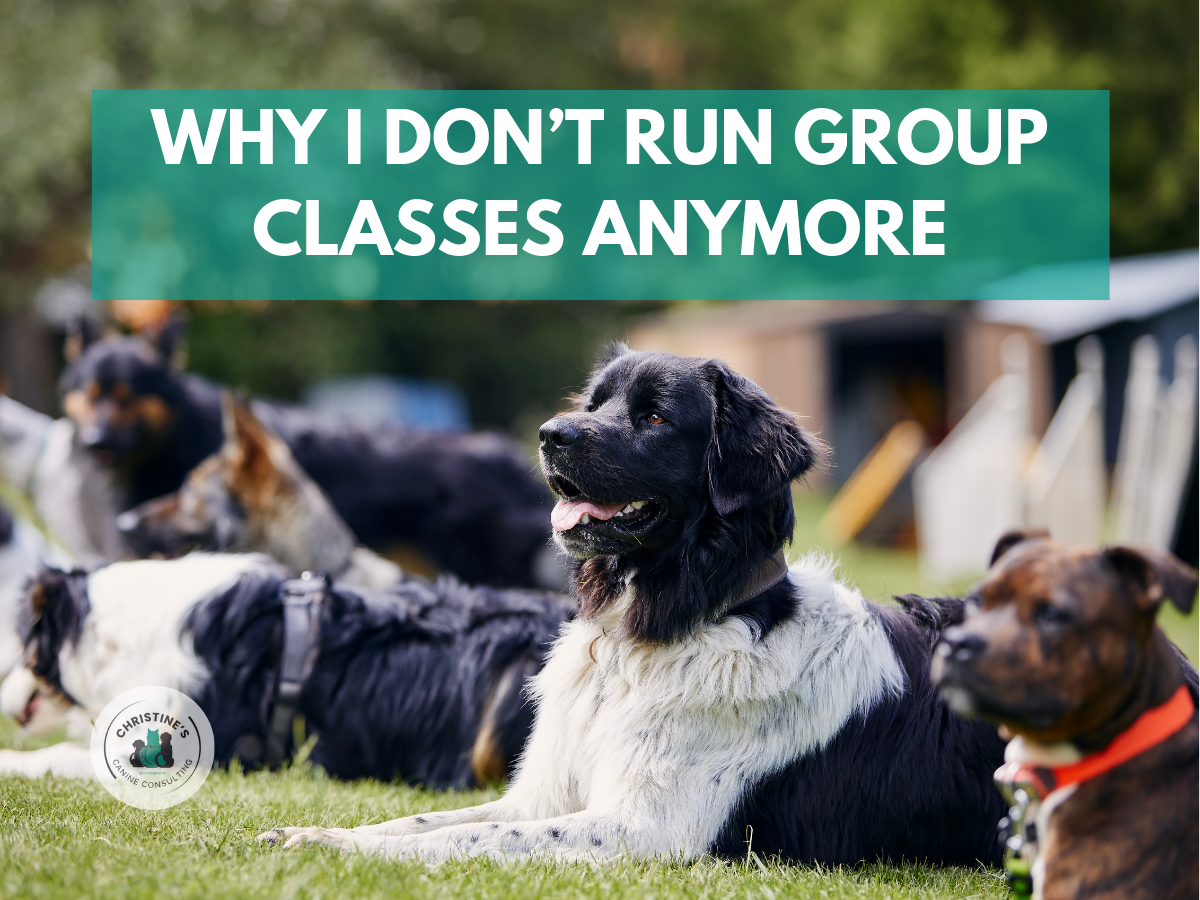
Why I Don’t Offer Group Classes Anymore
Group classes aren’t ineffective — but they aren’t designed for where most behaviour challenges actually happen. This post explains why I stopped offering group classes and focus instead on individualized, real-world training.
Am I The Problem?
A lot of the behaviours that frustrate us aren’t about training at all. They’re about the environments we put our dogs in—and what we expect them to figure out on their own.

Retractable Leashes
Retractable leashes are a hot topic. Some dog owners love the freedom they offer, others avoid them entirely. Before clipping one on, it’s worth understanding how they work, where problems tend to show up, and the real safety and training trade-offs involved.
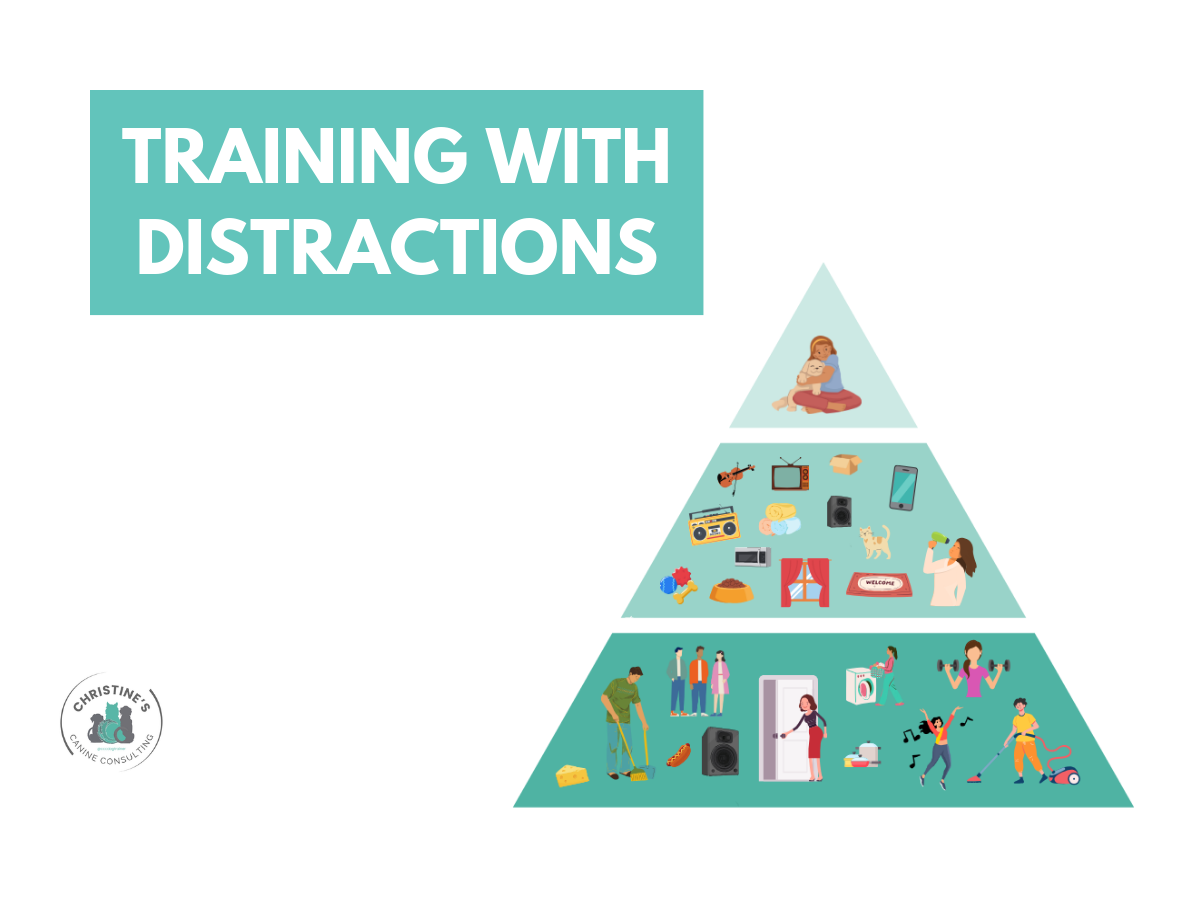
Training With Distractions
“My dog does it perfectly at home — but as soon as we step outside, it falls apart.”
That doesn’t happen because your dog is choosing not to listen. Understanding how environment changes focus is the key to helping skills transfer.
When A Cue Becomes A Conversation
When training becomes a shared language instead of a command system, cues turn into conversation — and that changes how we relate to our dogs.

A Dog Bed Is More Than Just a Dog Bed
Your dog’s bed isn’t just a comfy spot—it’s important for of their well-being and helps shape calmer, more balanced behaviour.

From Barking to Balance: How Unmet Needs Can Show Up at Home
Barking is a symptom of a problem and sometimes enrichment is the solution.
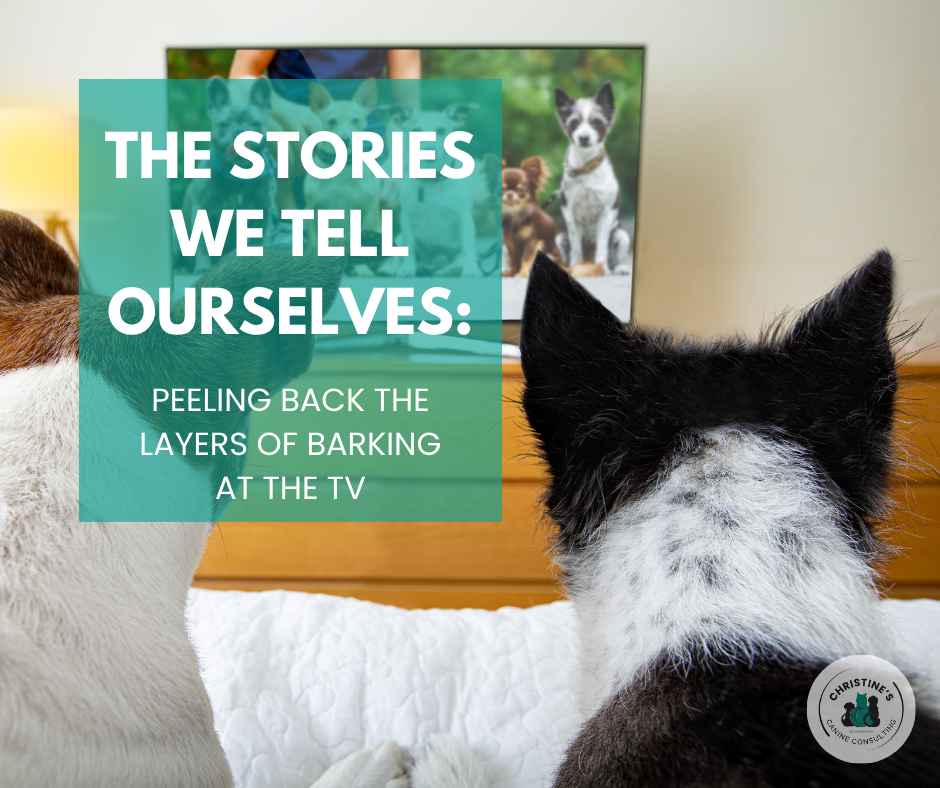
Tales of The TV
Lucy’s TV barking reminded me how often our dogs’ “always” and “every time” moments aren’t what they seem.
Follow along on social media