
A Dog Bed Is More Than Just a Dog Bed
“You’re spoiling that dog.”
I hear it all the time. Every trip to HomeSense ends the same way—me with a handful of dog things, and someone commenting, “Wow, what a lucky dog!”
There’s this persistent idea that giving your dog comfort—a bed, a few toys, something to chew—is somehow excessive. That if you want to create an enriching environment for your dog, you’ll “ruin” them.
Every animal deserves food, water, and a safe, comfortable place to rest. It’s not indulgent—it’s part of responsible care.
We all know that not sleeping well, being sore or uncomfortable affects your mood and, in turn, your behaviour. When a dog can choose where and how to rest, they’re not just relaxing—they’re self-regulating. A tired or sore dog will have a harder time doing that, just like we do.

Choosing the Right Bed
The pet industry was built around human wants and aesthetics—not dogs. Thankfully, in recent years, the market has started to shift toward beds that truly consider the dog’s needs—better materials, memory foam options, supportive bolsters, and designs for different sleeping styles.
It’s easy to get caught up in words like “orthopedic,” “chew-proof,” or “anxiety relief,” but those don’t always mean the bed is a good fit for your dog. Durability doesn’t always equal comfort. Harder fabrics, less padding, and waterproof materials might last longer—but they’re not pleasant to rest on.
The key is to look past the marketing and focus on what your individual dog finds comfortable.

Lucy’s Lesson on Comfort
My dogs are free to sleep wherever they want. If there’s an area I don’t want them to access, I use gates or doors to manage their environment.
I noticed that Lucy, who used to sleep in her crate every night, had started sleeping on the couch instead. Anytime there’s a change in behaviour, it’s worth paying attention to.
Behaviour is always functional and sometimes it’s to avoid something unpleasant. In Lucy’s case, I wanted to know whether she was avoiding her crate because it was uncomfortable, or if something else was going on.
After a bit of deductive reasoning, I realized her leg had been really sore. Her bed just wasn’t as comfortable as it used to be, so she chose the couch. I bought a completely new bed, and sure enough, she went back to sleeping in her crate most nights.
For Senior Dogs and Those with Joint Pain
For older dogs like Lucy or those with joint issues, comfort isn’t optional—it’s essential. Supportive beds that relieve pressure points and help maintain warmth can make a huge difference in mobility, recovery, and even emotional stability.
Older dogs often move less, which means they’re more prone to stiffness, aches, and joint pain. Having supportive surfaces available around the home—especially near your resting spots—lets them rest comfortably without having to travel far.
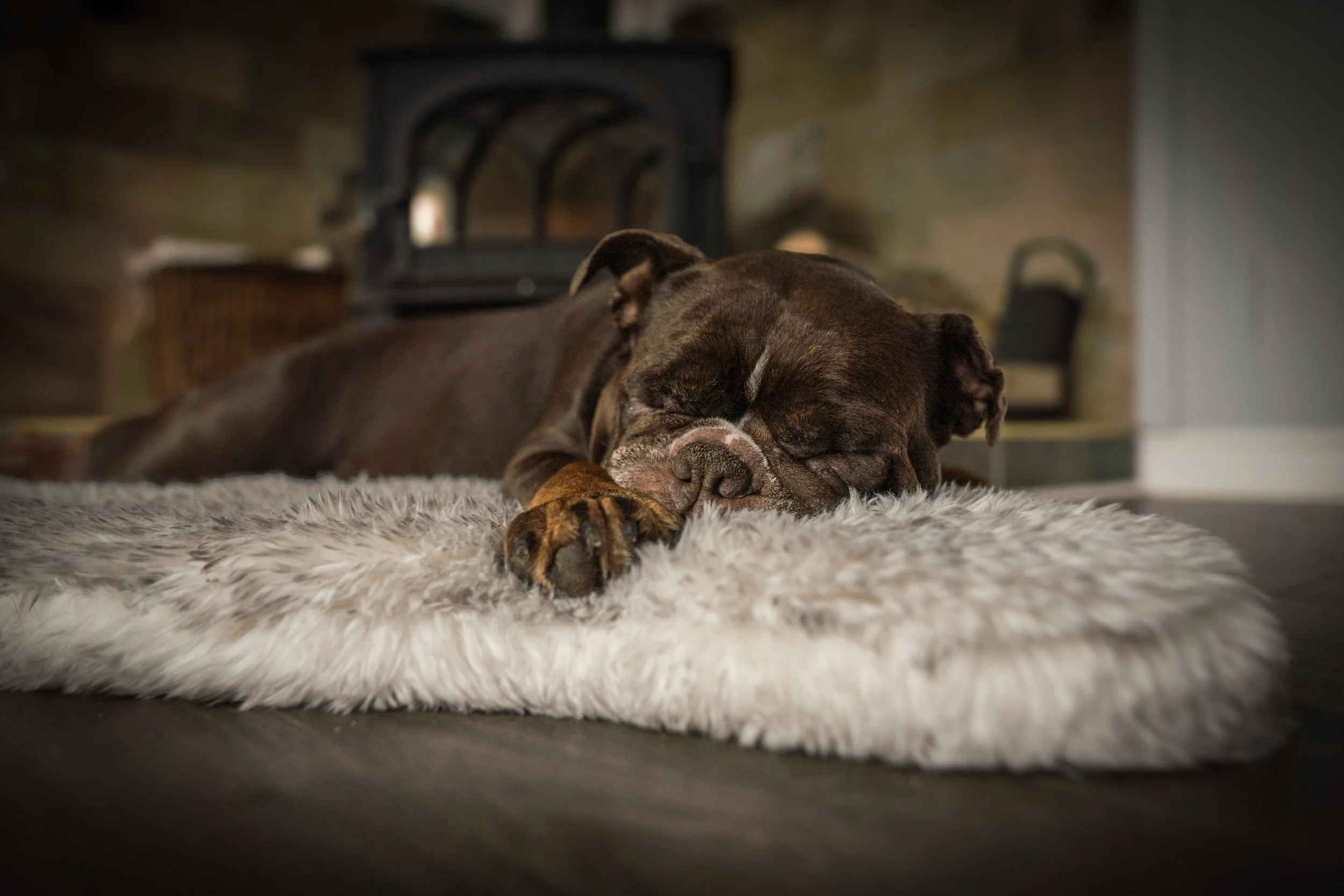
Location, Location, Location
It’s a very human concept to sleep in the same spot, on the same bed, every single night for your entire life. Dogs don’t operate that way. They naturally move around throughout the day—sometimes stretched out, sometimes curled up, sometimes seeking solitude, and sometimes wanting to be close.
You might put a bed in the far corner of the living room, but if everyone else hangs out on the couch, your dog might ignore that bed altogether. Unless they’re unwell or craving space, most dogs simply prefer to rest near their people.
There could also be environmental factors at play. Maybe there’s a draft, or it’s beside an appliance that hums—a sound you don’t even notice. Maybe it’s too hot or too cold. All of these things affect how appealing that spot feels to your dog.
Just like us, dogs’ preferences can change with the seasons. In summer, your dog might prefer the cool tile floor, while in winter that same spot may feel too cold. Giving them options—like a raised cot or cooling mat in warmer weather and a soft, insulating bed in colder months—helps them regulate their own comfort. Small adjustments like these support their health and reduce stress from temperature discomfort that we might not even notice.
And for dogs who love to dig, scratch, or make a little nest before settling in, don’t waste money searching for the world’s most indestructible bed. Work with the behaviour instead. Layer old blankets, sheets, or pillowcases over the bed so your dog can dig, circle, and make themselves comfortable. If your dog likes to dig on the couch, set up a designated nest area—old bedding or cheap covers work perfectly.
A few simple layers can satisfy that natural nesting instinct and save your furniture. Comfort doesn’t have to be expensive. There are always ways to make small adjustments that help your dog rest better—you just have to be thoughtful about it.

Match The Bed to the dog
Dogs often curl up in a ball when they sleep. They do this to stay warm, protect their most sensitive areas, and make themselves smaller—less visible to potential threats.
When we’re choosing a bed, it helps to think about what fits our dog’s natural sleeping style. A dog who curls up tightly will often love a donut-shaped bed that supports their body and helps them feel secure. A flat memory-foam mat, on the other hand, might not feel as cozy for that dog.
Hank likes a big bolster bed so he can stretch out but still curl up against the sides.
Ella prefers to sink right in, so she gravitates toward the donut beds.
Hazel likes a cooler, flat surface, so she usually picks the rug or a mat-style memory-foam bed.
Then there’s size. Costco sells these huge beds that are a great deal for what you get—but they can actually be too big for many dogs.
It’s also common for people to choose a bed because it looks nice or fits the budget. But if the dog doesn’t like it, they sometimes take it personally:
“I went out and spent all this money, and you don’t even like it!”
At the end of the day, your dog isn’t obligated to like everything you buy them—or everything you think they should like.
If you buy a new bed and your dog doesn’t love it right away:
Keep your receipt.
Give it a few days.
Lay a blanket over it
Try moving it to a different location..
How Many Beds Do You Really Need?
That really depends on your home. As a general rule, I’d say you need at least one bed in every room where you spend time. Your dog will naturally want to be close to you, and when you give them a place to rest nearby, they’ll be more relaxed—and they’ll get better-quality sleep.
There’s another benefit, too. For dogs who sometimes want a bit of solitude, having multiple beds in multiple locations makes it more likely they’ll choose to rest somewhere comfortably instead of pacing or lying on a hard floor.
You can always move beds around depending on where your dog spends the most time. It doesn’t have to be complicated—just practical and responsive to what your dog actually uses.

Multiple Dogs, Multiple Beds
If you have multiple dogs, you need a lot of beds. Every dog has different preferences—some want warmth, others like to stay cool. Some are more active, while others have injuries or arthritis. The key is to make sure each dog has a space that suits their individual needs.
Everything in a multi-dog household comes down to resources. Whether you have one, two, or four dogs, fewer resources mean more competition. And sometimes, one dog will quietly push another off the best spot.
Ella does this all the time. If she wants that bed, she’ll simply stand over it and make the other dog uncomfortable until they move. It’s not a big fight, but it still creates tension.
Constantly worrying about being displaced creates stress. That means one dog may be sacrificing comfort and rest just to avoid conflict.
Making sure each dog has enough options—beds, resting spots, cozy corners—reduces that competition and helps everyone feel more settled.
Quick Comfort Check for Your Dog
Do they have at least one comfortable, supportive place to rest in every main room?
Can they choose between cool and warm surfaces?
Do their beds fit their sleeping style?
Do they have a quiet space away from household activity when they need rest?
Are you noticing changes in where or how they rest that might point to discomfort?
When you keep these things in mind, you’re not just improving your dog’s physical comfort—you’re supporting their mental and emotional well-being, too.
Big dogs, in particular, can develop pressure sores or calloused elbows from lying on hard floors. You’ll often see bald spots on their elbows simply from resting without enough padding. And dogs who can’t find a truly comfortable spot don’t just lose sleep—they start to show it in their behaviour. You might notice more barking, reactivity, restlessness, or even withdrawal.
Just like kids, they don’t always know what they need; they just know they feel off and try to make themselves feel better however they can.
When your dog can get the rest they need, it changes how they move through their day—and through life with you. ❤️