Core Concepts Library

Welcome!
This page is your go-to guide for understanding the why behind your dog’s behaviour—and how to support them so they can succeed in a human world.
These core concepts make training feel easier and more predictable. They’ll help you avoid frustration, spot patterns before they turn into problems, and show up for your dog with confidence—whether you’re teaching new skills or navigating tougher moments together.
Inside, you’ll find lessons on:
How dogs learn—and why some behaviours stick instantly while others take time
Reinforcement and the real reason it drives every single behaviour
Timing, cues, and communication that help your dog understand what’s working
The difference between management and training—and why both matter
What emotional safety looks like for dogs—and how it changes behaviour
These aren’t just theories. They’re the foundation of everything we do—and the key to a happier, easier life together. ❤️
-
Emotional Learning — Coming Soon ⏳
-
ABCs of Behaviour
Capturing
Shaping
Behaviour Is Information — Coming Soon
-
Start Here - How Dogs Learn
🥩 Reinforcement - What It Really Means in Training
Reinforcement is the learning process behind every behaviour your dog does. When we use food as a teaching tool, we’re helping our dogs understand exactly what they did right. It makes learning clearer, progress faster, and training more enjoyable for both of you.
📚 Operant Conditioning - The Science of Behaviour
Learn how behaviour is shaped by consequences. This video breaks down operant learning and shows you how to use them to build real-life skills without punishment or pressure.
🔔 Classical Conditioning - Why Associations Matter
Explore how your dog’s emotions shape their behaviour—often before they even do anything. Understanding classical conditioning helps you change how situations feel, so your dog can feel safer, calmer, and more connected.
Building Behaviour - The Techniques
These videos show the different methods we use to teach behaviours.
Shaping involves rewarding small steps that gradually build toward the final behaviour, making it ideal for teaching advanced skills like closing doors, standing on platforms, and more.
Capturing is all about reinforcing behaviours your dog already offers—then marking and rewarding to build it up naturally.
In this video, we’ll cover the fundamentals of luring—a hands-on training method that uses food or a toy to guide your dog into a behaviour—like drawing a path they can follow.
Pattern Games: Predictability for Focus & Regulation
Pattern games are simple, predictable sequences that help dogs feel safe, oriented, and engaged. Because the pattern stays the same, your dog doesn’t have to guess what’s coming next — which lowers stress and makes it easier to stay connected.
Dogs learn best through repetition and clear, consistent experiences. When a behaviour reliably leads to the same outcome, it becomes easier to understand, easier to repeat, and easier to access under pressure.
That’s why these games are taught outside of challenging situations, not in the middle of them. The goal isn’t to “fix” behaviour in the moment, but to build reliable skills your dog can use when things get harder. Over time, these predictable patterns support emotional regulation, smoother movement, and easier transitions in real life.
Pattern games show up everywhere — on walks, during training sessions, and in everyday moments where your dog needs something familiar to fall back on. They’re not tricks, and they’re not distractions. They’re foundations.

Reward Placement & Reinforcement Patterns
Reward placement doesn’t just reinforce a behaviour—it shapes the dog’s movement, anticipation, and understanding of the cue picture. These three videos walk you through how reinforcement direction, bowl placement, and handler body orientation affect what your dog does next. Watch them in order—they build on each other.
Part 1 — The Learning
Reward placement doesn’t just reinforce a behaviour — it shapes how your dog moves and where they expect the reinforcer to be. Dogs learn the whole path to reinforcement, not just the action we think we’re teaching.
Part 3 — The Bowl & The Movement
When the reinforcer moves, dogs move with it. This video shows how shifting the bowl beside me immediately changes Ella’s behaviour — from holding position to creeping forward — and why reinforcement direction shapes the dog’s movement more than the cue itself.
Target and handler movement can make the picture harder, but as long as the reinforcement zone stays the same, dogs will often hold the behaviour.
Part 2 — The Reinforcement Zone
Part 4 — The Wrong Place
This final clip shows how handler orientation and reinforcement history shape where dogs choose to be when the picture changes.
Want a quick reference?
This printable breaks down how markers, timing, and reward placement work together.
Myths & Misconceptions
Understanding Behaviour, Not Labeling It
Some behaviours get called “bad” when they’re really just communication. In this section, we break down behaviours like barking, growling, or jumping—not as problems to fix, but as signals to understand.
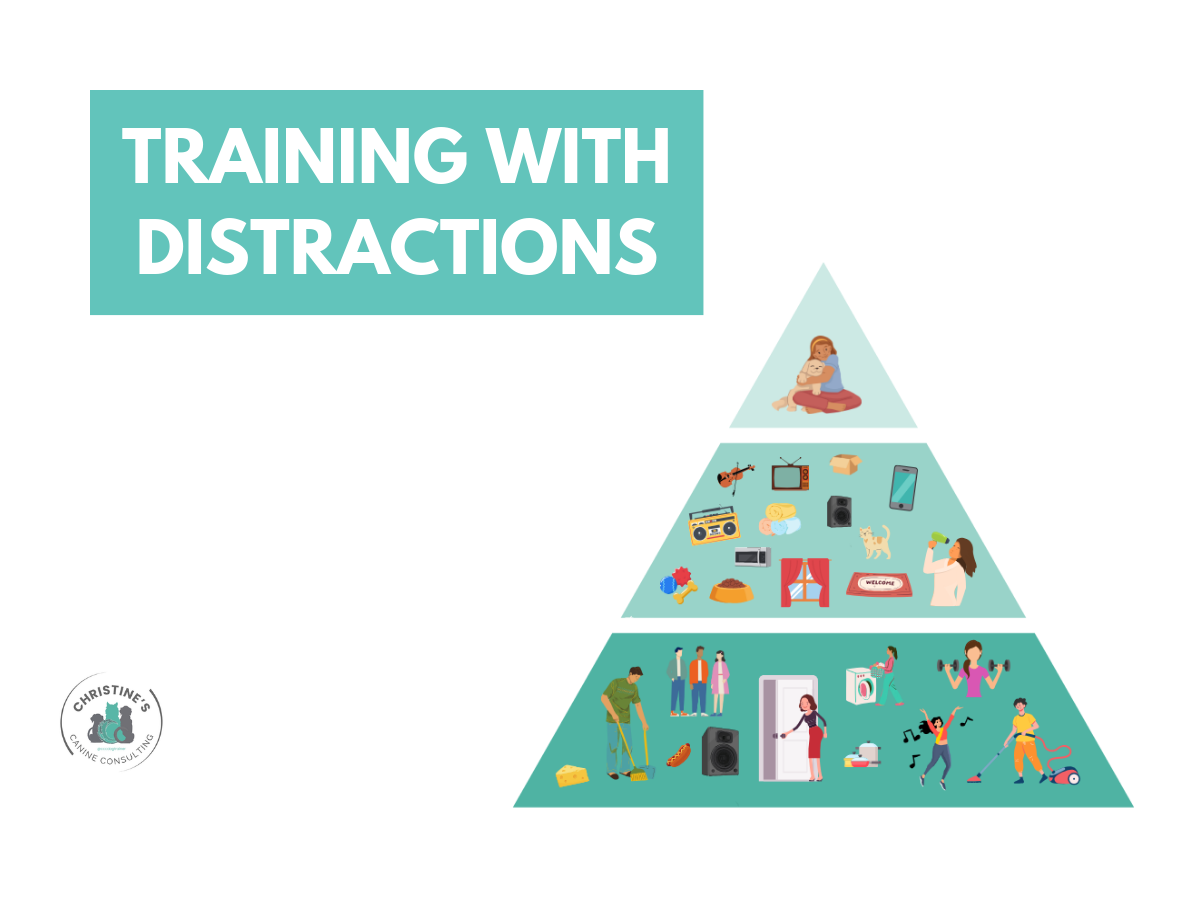
Training With Distractions
Learn how changes in environment affect what dogs can notice and respond to — and why adjusting the environment and criteria matters.
If skills fall apart outside, this post explains why that happens — and how changes in the environment affect learning:
Why Skills Don’t Transfer Automatically From One Place to The Next

Decompression Guide
Understanding how space, choice, and recovery support your dog’s nervous system after stress.
Learn what decompression really is, when to use it, and how simple, choice-based downtime supports regulation, resilience, and clearer behaviour.
Behaviour Science Basics
Understanding the why behind your dog’s behaviour.
📚 The ABCs of Behaviour
Learn how the ABCs form a foundation of behaviour change. Once you understand what comes before and after a behaviour, you can start to shape better outcomes in daily life.
🔄 The Premack Principle – “Do this, get that.” Want your dog to come when called away from a squirrel? Or sit before going out the door? That’s the Premack Principle in action—using something your dog wants (like sniffing, chasing, or play) as the reward for a behaviour you’ve asked for.
These guides and worksheets support the lessons above and help you apply the concepts in real life — without overwhelm.
Printables & Training Tools
FEEDING MOTIVATION
Food motivation affects learning, focus, and emotional regulation — especially for dogs who feel stressed, frantic, or shut down around food.
This guide explains the difference between hunger and feeding motivation, why food can become emotionally charged, and how small routine changes can support calmer, more effective learning.
HOW DOGS LEARN
Every good teacher needs to understand how their students learn and process information. That applies to dog training too! This guide covers the two types of learning with practical examples to help you become a great trainer.
Training With Distractions
Distractions are one of the biggest reasons skills fall apart in real life. This PDF helps you understand different types of distractions, how they affect learning, and how to adjust your setup so your dog can succeed. Use it to plan smarter sessions and build skills that hold up beyond the living room.
Helping Make Calm Choices (Self-Regulation Skills)
This guide focuses on the skills dogs need to pause, reset, and make better choices. Learn how self-regulation develops, why some dogs struggle with impulse control, and how to support thoughtful behaviour through training setups and everyday practice.
DOG TRAINING A TO Z
Dog training comes with a lot of jargon — and when you don’t understand the language, it’s hard to know what advice actually means (or whether it even applies to your dog).
This A-to-Z guide breaks down common training terms in plain language so you can follow conversations, understand resources, and make informed choices about how you train and support your dog.
DEBUNKING DOMINANCE
This guide breaks down where dominance theory came from, why it doesn’t explain everyday behaviour, and what’s actually driving things like barking, pulling, guarding, or ignoring cues.
Training Setup & Success Strategies
Learn the structure and rhythm that set your dog up for success—before you even start. These short lessons cover things that are going to help you prep for success.
Cue Clarity - Vital Step in Communicating with Your Dog
This guide is here to help you get super consistent with the cues you use—and clean up any that might be confusing (or totally poisoned 😬). If your dog’s ignoring you sometimes, or if different people in your house say things differently, this is for you.
Reinforcement Cheat Sheet
A quick reference for what reinforcement really means in training—and why it’s more than just treats. Learn what actually reinforces your dog, how timing and delivery matter, and how to avoid common mistakes so you’re reinforcing the behaviour you want more of.
Practice Makes Progress
This guide explains how progress really happens in training—and why it often feels slower than expected. Learn how repetition, consistency, and realistic expectations shape learning over time, and how small, regular practice leads to lasting change. Use this PDF to stay focused, avoid common frustration traps, and keep moving forward even when progress feels subtle.