Body Language Library
Dogs communicate through subtle shifts in posture, expression, and movement.
These clips highlight the small changes that reveal how your dog is feeling in the moment — often before behaviour escalates.
Facial Expressions
Dogs communicate a lot through their eyes, mouth, and overall facial tension. These clips highlight the small shifts—like softening, tightening, blinking, or looking away—that reveal what your dog is feeling in the moment.
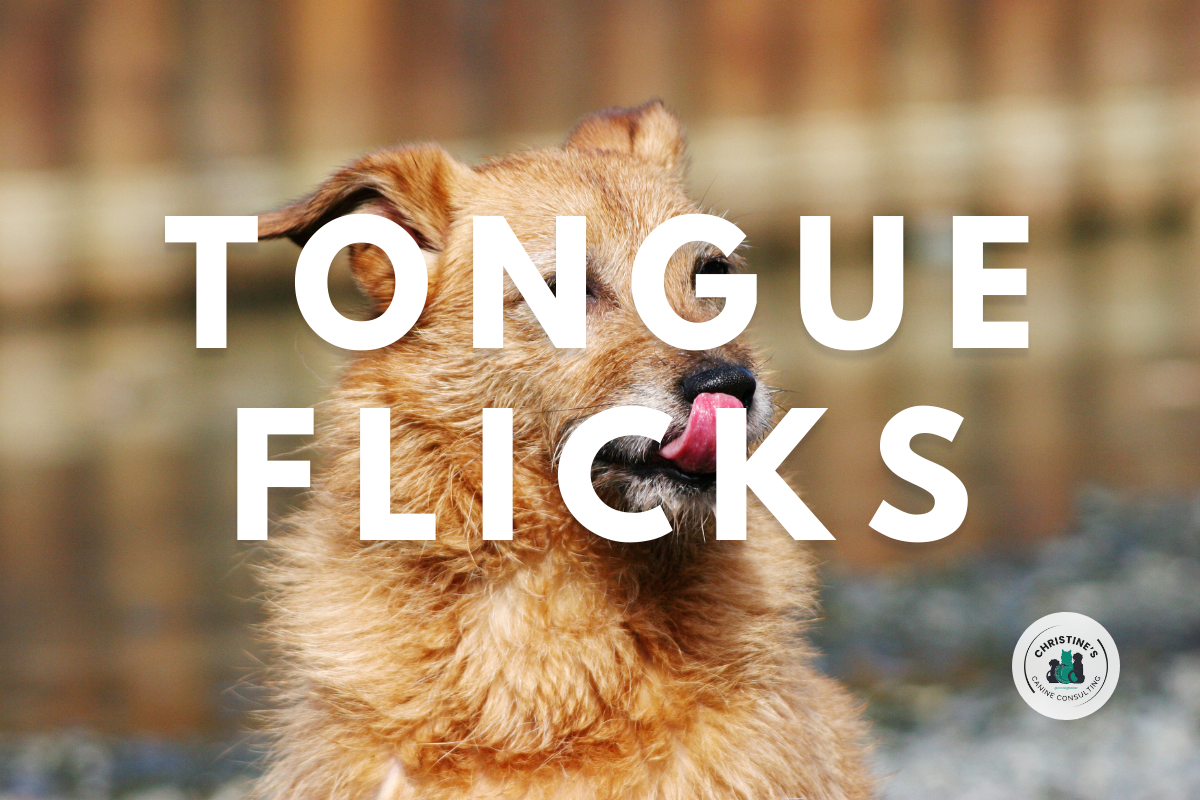
A quick breakdown of tongue flicks — what they look like and what they can tell you about how your dog is feeling.
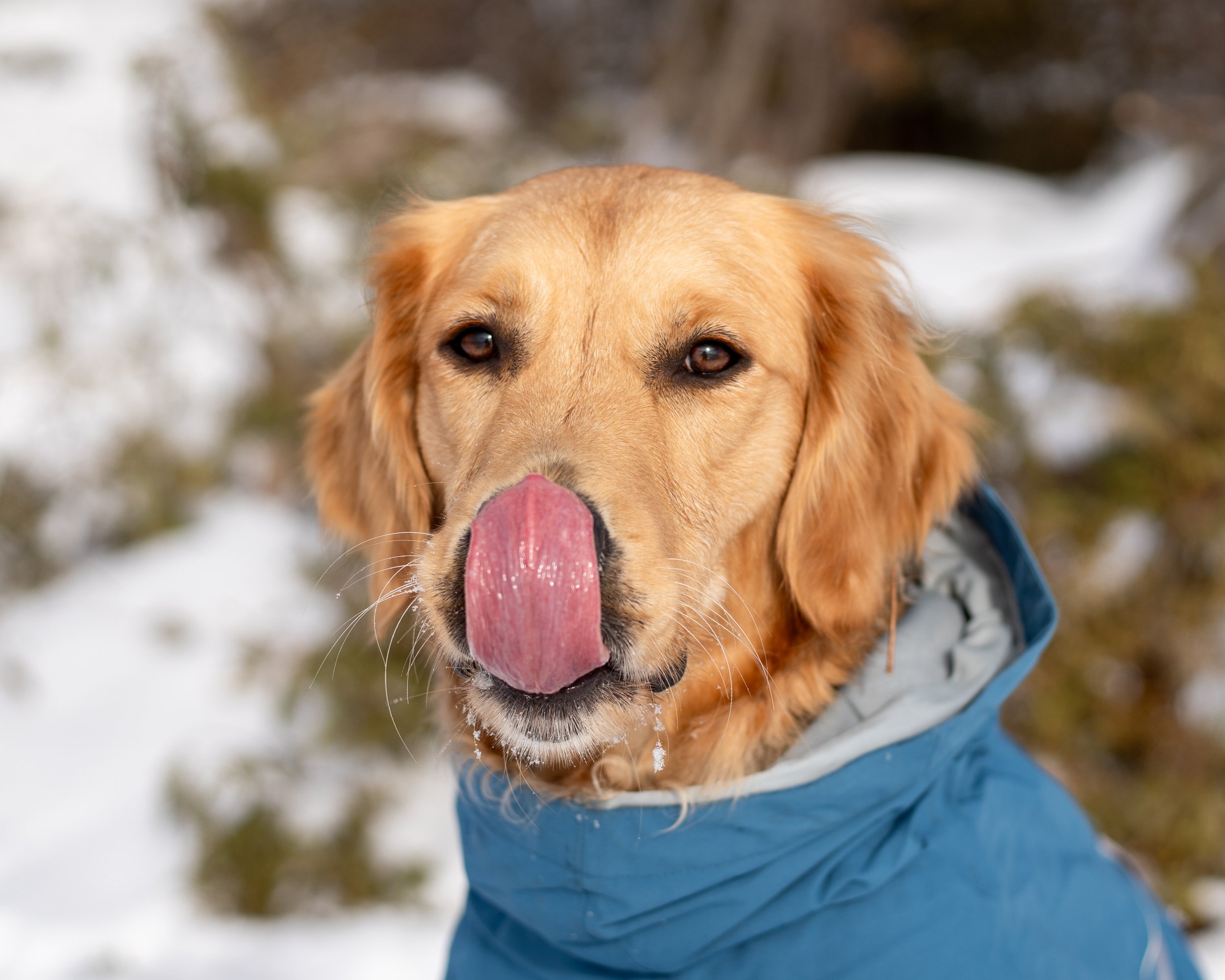
What to notice
Tongue flicks can happen for many different reasons — discomfort, stress, or as a way to ask for space. They can also appear when a dog isn’t feeling well, such as with pain, nausea, or general physical discomfort, which is why context always matters.
Because the movement is so quick, it’s easy to miss unless you know what to watch for.
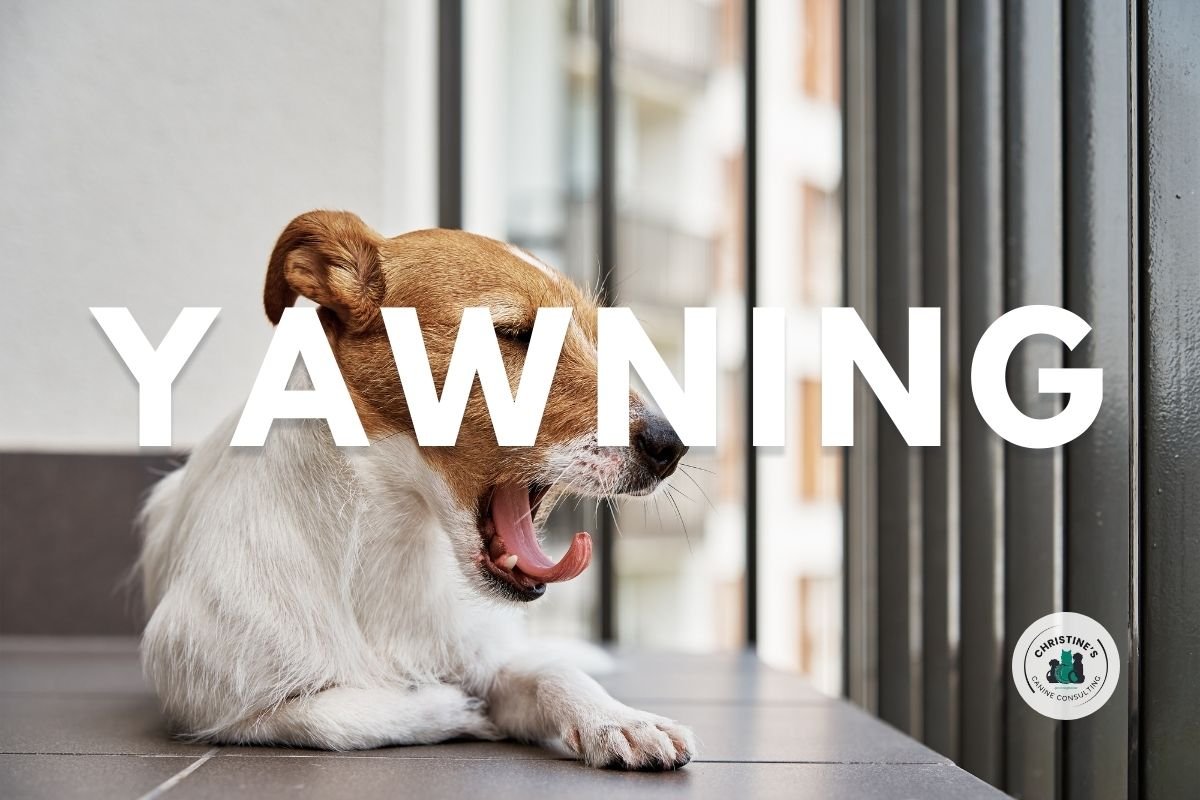
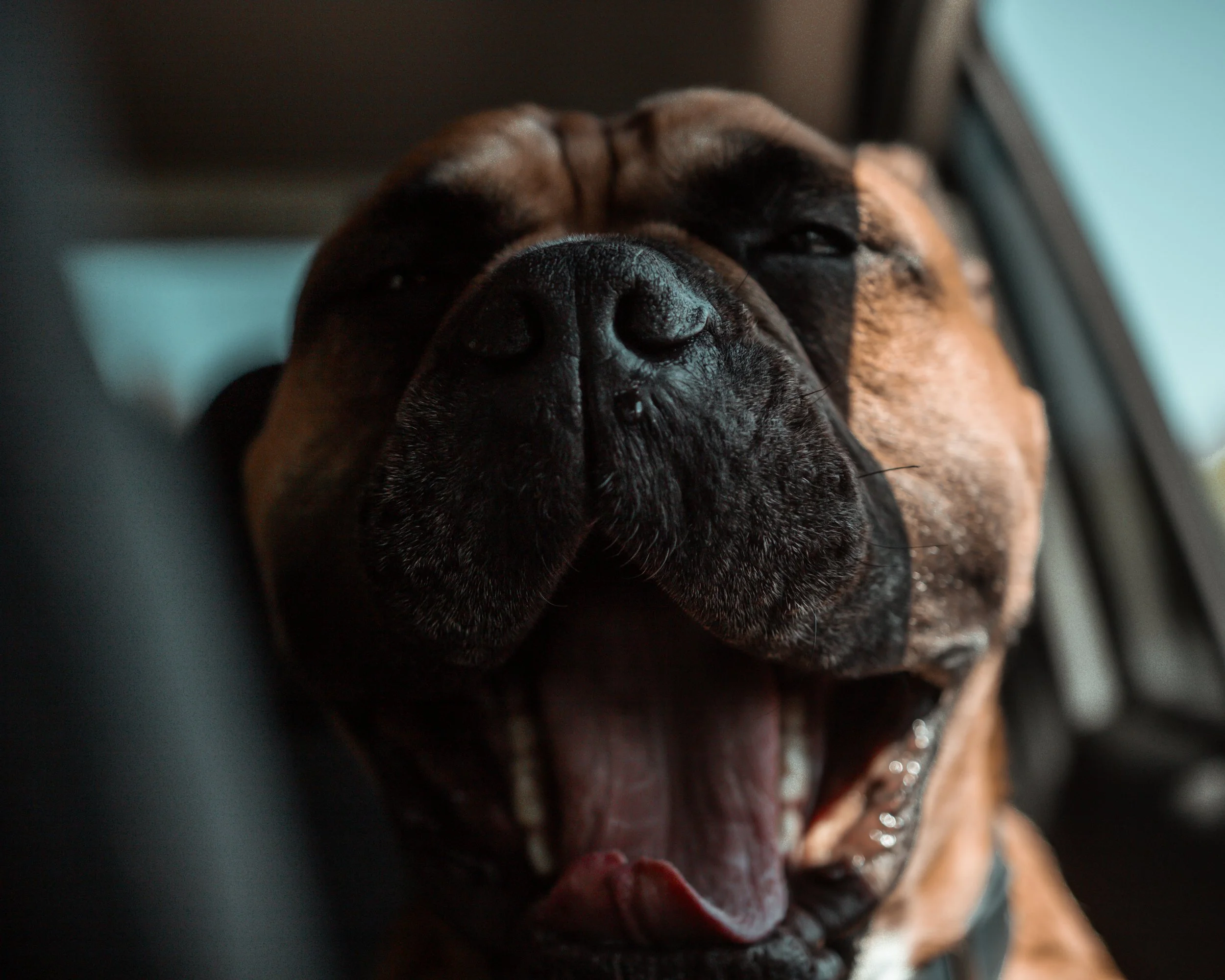
For dogs, yawning isn’t always about being tired or bored.
What to notice
Yawning is used to communicate stress, discomfort, or to self-soothe in overwhelming situations. A dog is usually feeling pressure from the environment and can happen during training and social situations.
Yawning is a calming signal similar to lip-licking or turning away. It helps reduce tension and communicate to other that they’re feeling anxious.
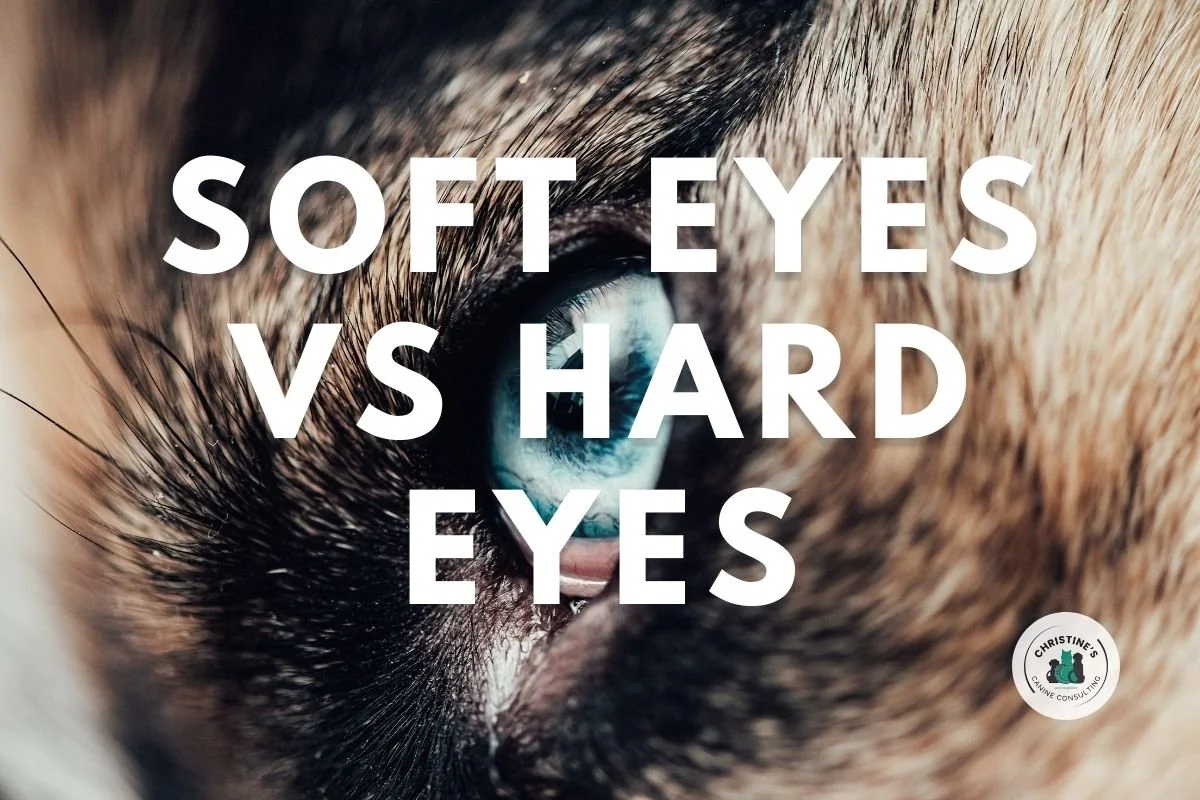
Noticing changes in your dog’s eyes helps you spot when their feelings start to change — long before their behaviour does.
What to notice
Hard eyes appear intense and focused, with a fixed or steady gaze. The eyes may look slightly wider, and there’s often more tension around the eyelids. The overall expression feels concentrated and alert rather than loose or relaxed.
Soft eyes look more relaxed, with less tension and a softer gaze.
Comparing the two makes shifts easier to spot.
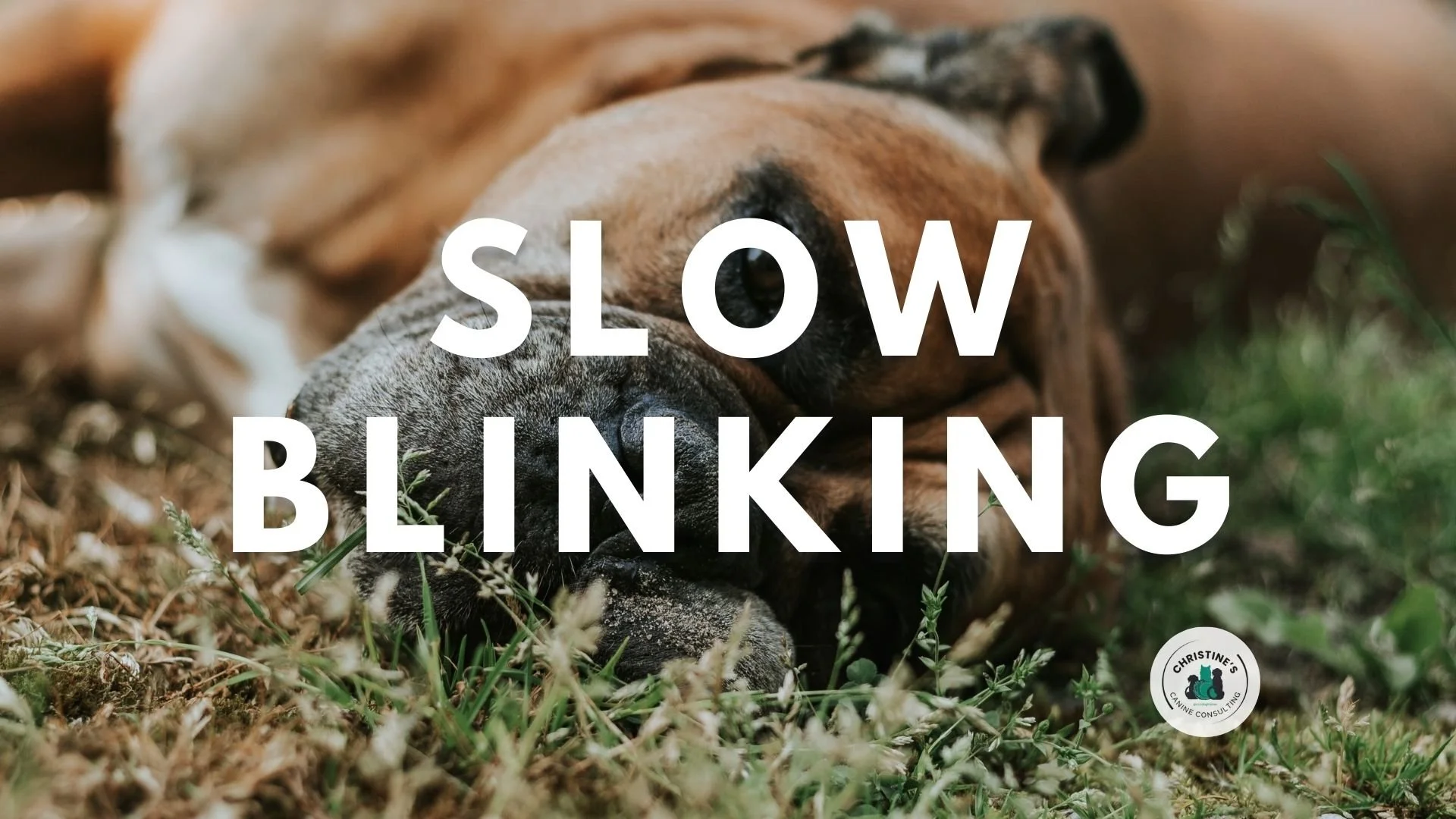
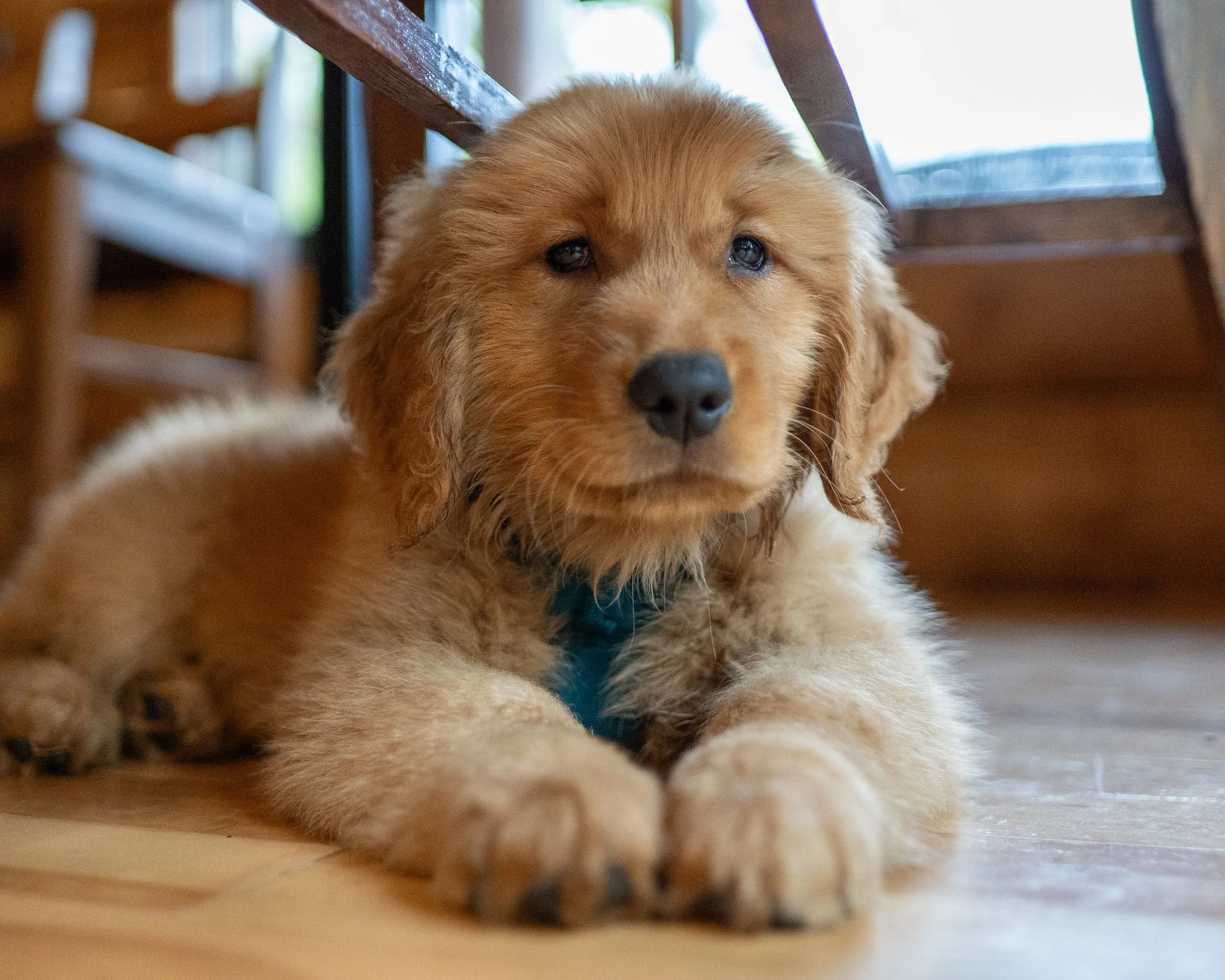
Between dogs, slow blinking helps ease social pressure. When directed toward people, it’ shows trust.
What to notice
Slow blinking happens when a dog gently closes and reopens their eyes in a relaxed, unhurried way. Between dogs, this soft eye contact can help ease social pressure and communicate that the interaction is safe and non-threatening.
When directed toward people, slow blinking often appears when a dog feels comfortable and trusting.
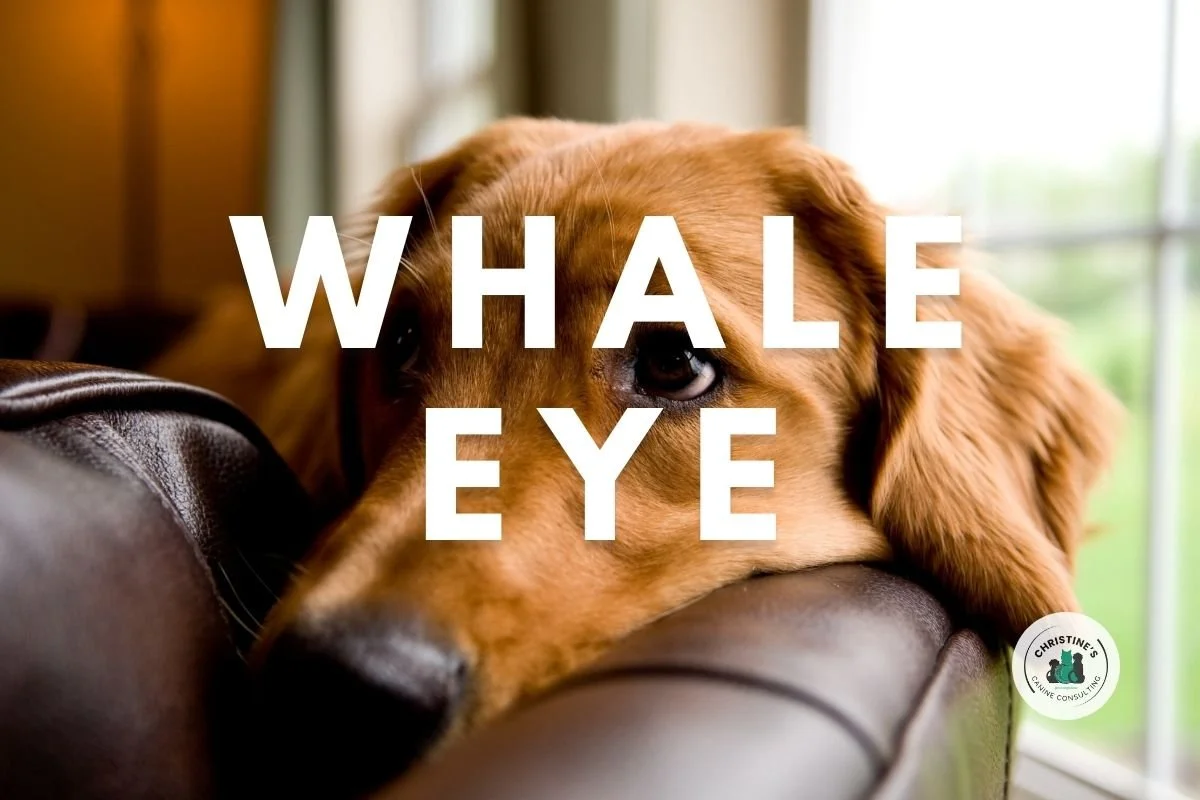
A breakdown of what whale eye looks like and what it can tell you about how your dog is feeling in the moment.
What to notice
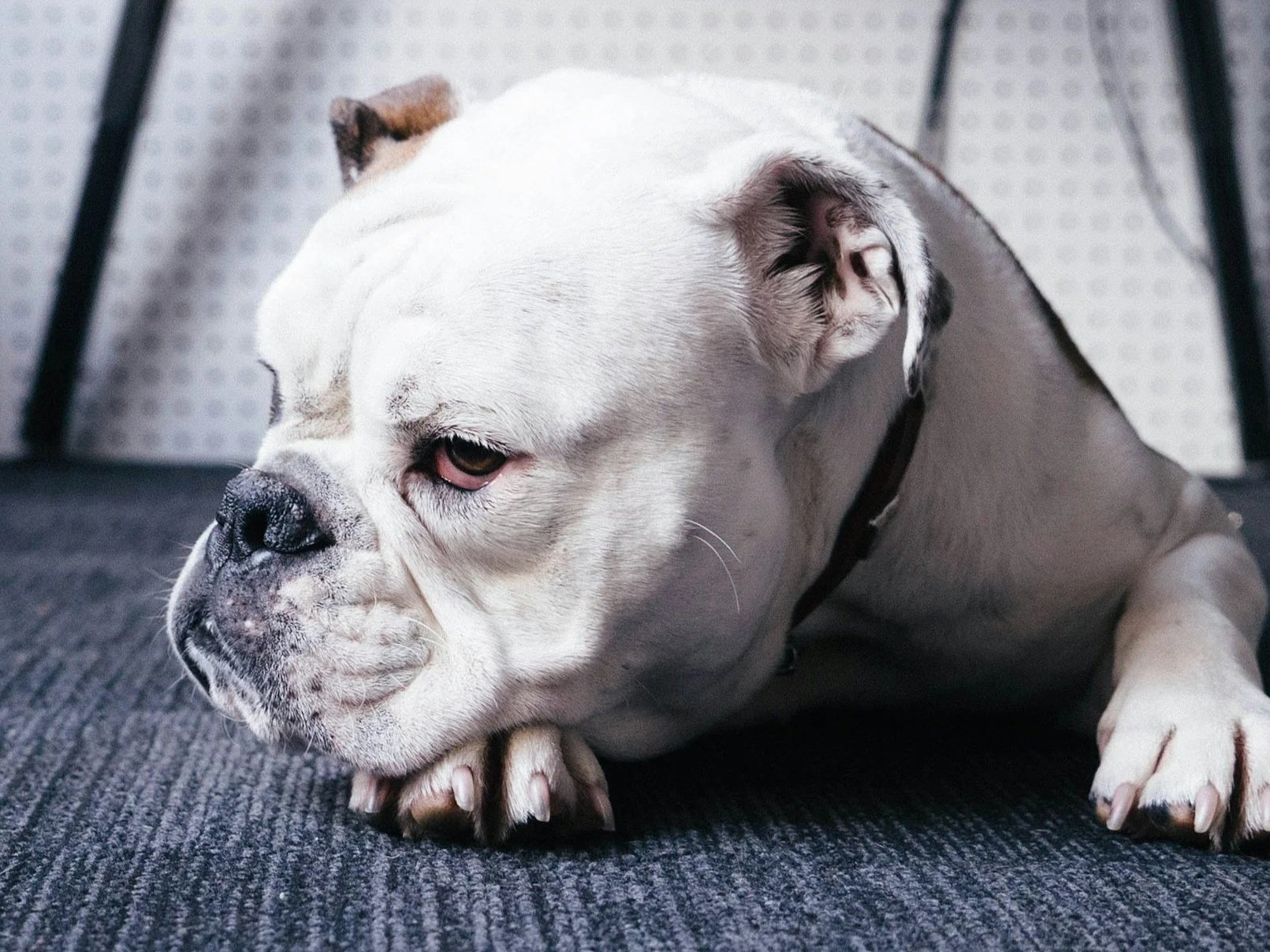
Whale eye happens when a dog turns their head away but keeps their eyes fixed on something, causing the whites of the eyes to become visible. It can appear when a dog feels stressed, anxious, or afraid.
Whale eye is an important signal that a dog may show defensive aggression if pressured.
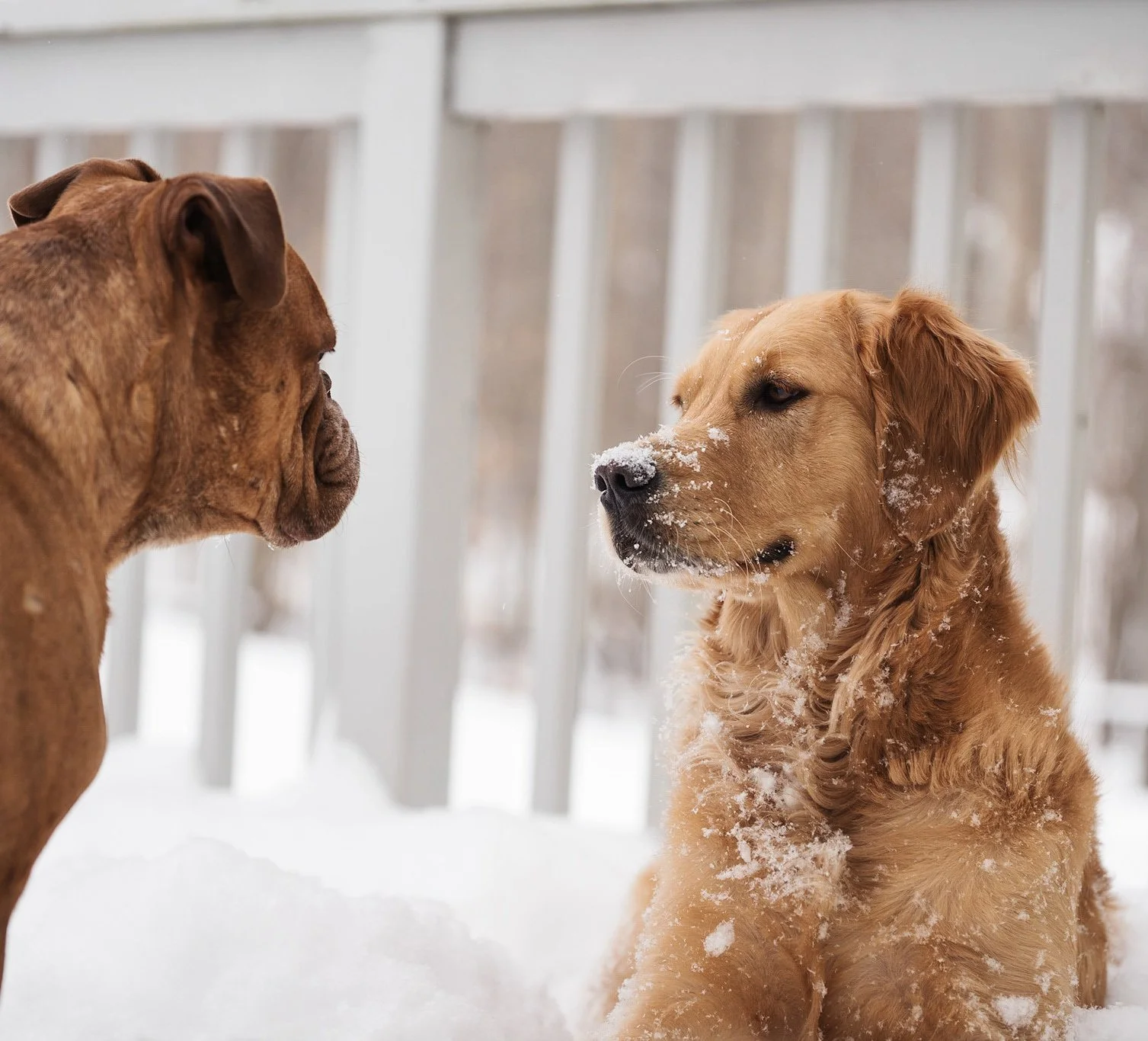
A dog’s mouth — and the muscles around it — can offer important clues about how they’re feeling.
What to notice
A hard mouth has tension around the lips and jaw. The mouth may be closed tightly or pulled back, sometimes with the corners of the lips drawn forward or tight against the face.
This change often appears when a dog is feeling uncomfortable, focused, or under pressure. It can show up in moments of uncertainty, guarding, or when a dog is assessing something in their environment.
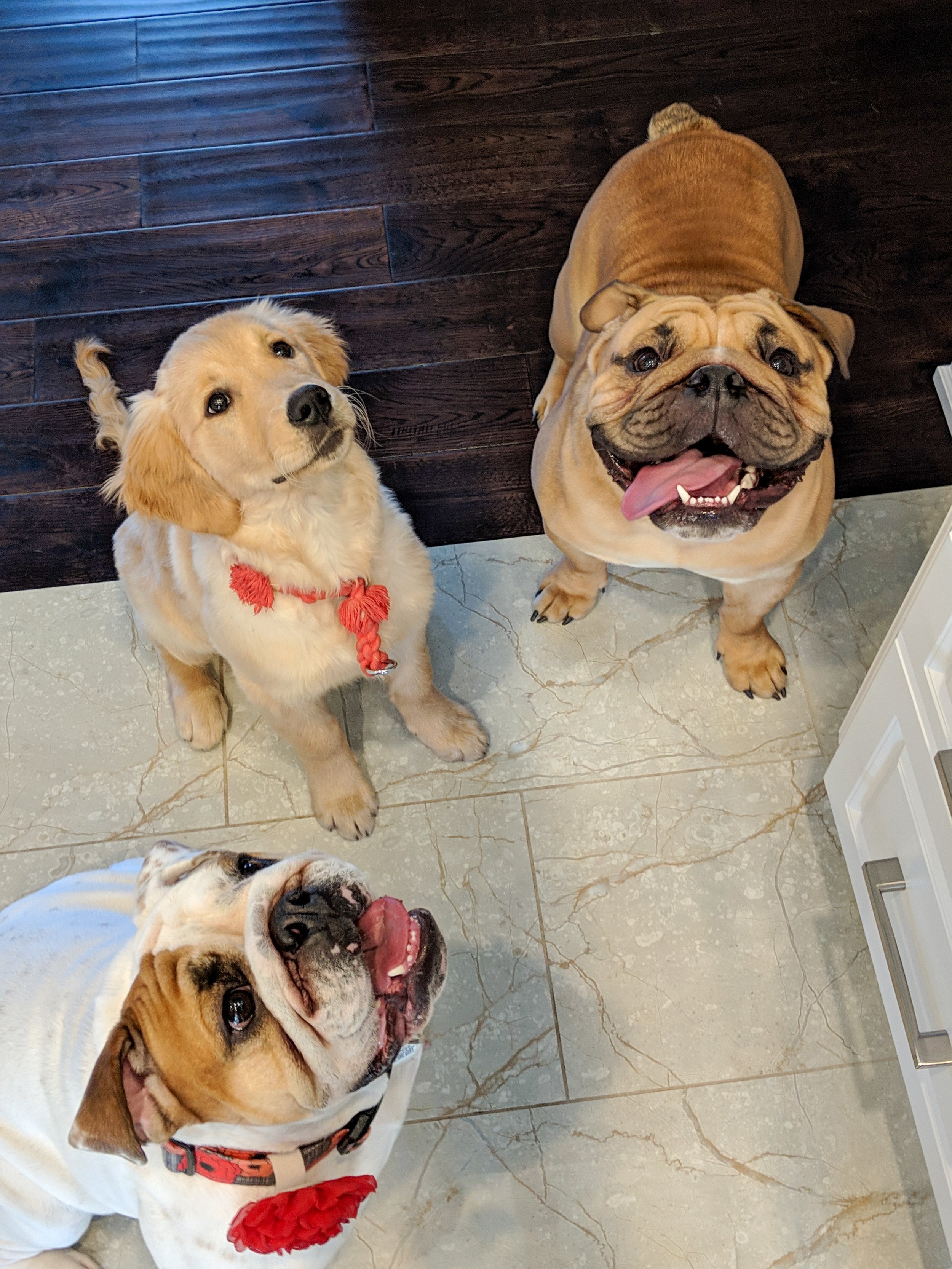
Same dog. Different environment. Different expression.
The bulldogs have relaxed mouths and ears, soft eyes, and loose bodies.
The Golden Retriever’s mouth is closed, her ears are up, and there’s more tension in her face. Her posture is slightly more controlled.
In this photo Hazel is in a similar position, she’s focused but her face is softer.
Her forehead holds less tension, her lips aren’t pulled tightly — less facial tension overall. Her eyes are also softer as well.
Why The Difference?
This is the bulldogs’ home, and it’s their Mom handing out the treats.
Hazel has never been here before and has never met these dogs. Without familiar environmental cues to rely on, she falls back on her training. That kind of thinking — paying attention, processing the environment, and remembering what to do — often shows up as a more focused expression.
Dogs don’t just react to what’s happening.
They also react to where it’s happening.
Body Posture & Weight Shifts
A dog’s posture and the way they carry their weight offer important clues about how they’re feeling.
A forward lean can signal interest or tension, while shifting weight back may suggest uncertainty or a need for space. Stiffness often means a dog is bracing, while a loose, balanced body reflects comfort.
These changes often show up before more obvious behaviour, giving you a chance to step in and adjust the situation early.
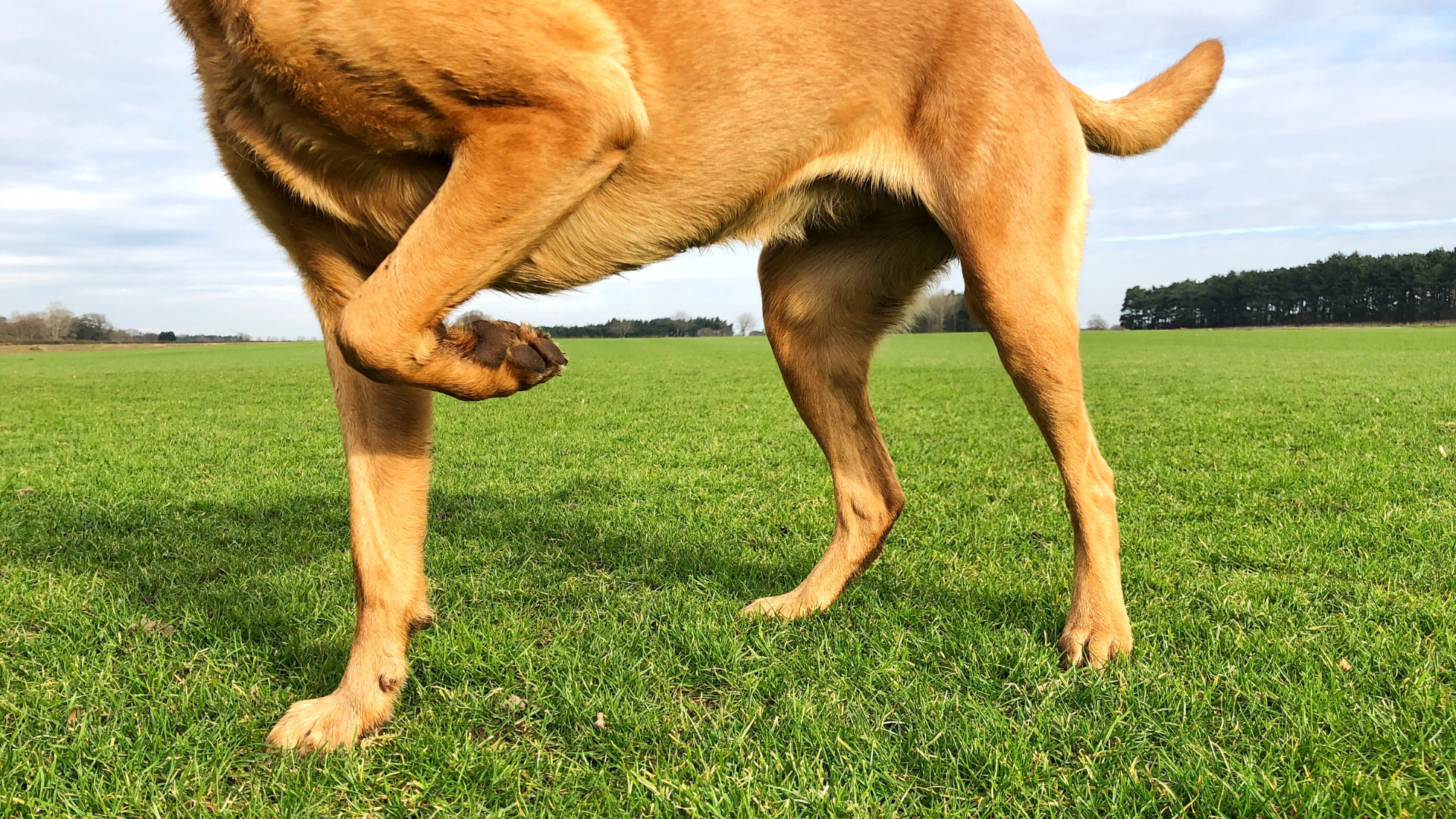
For dogs, a lifted paw is often a moment of focus or hesitation while they assess what’s happening around them.
What To Notice
A paw lift happens when a dog raises one front paw off the ground, often while remaining still and focused on something in their environment.
This signal often appears when a dog is uncertain, processing, or feeling a bit of pressure. It can show up when they’re assessing something new, deciding what to do next, or experiencing mild conflict.
Possession Posture
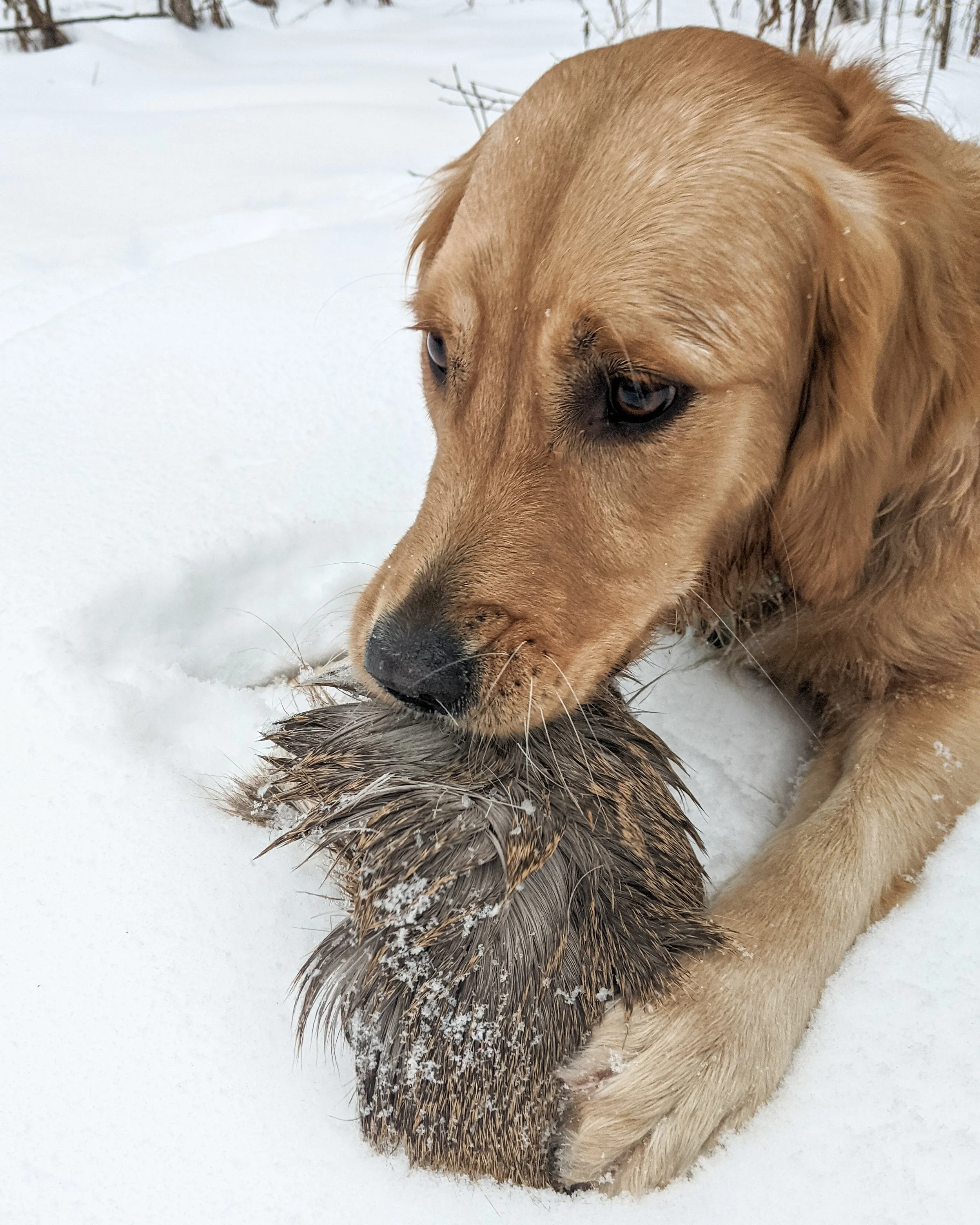
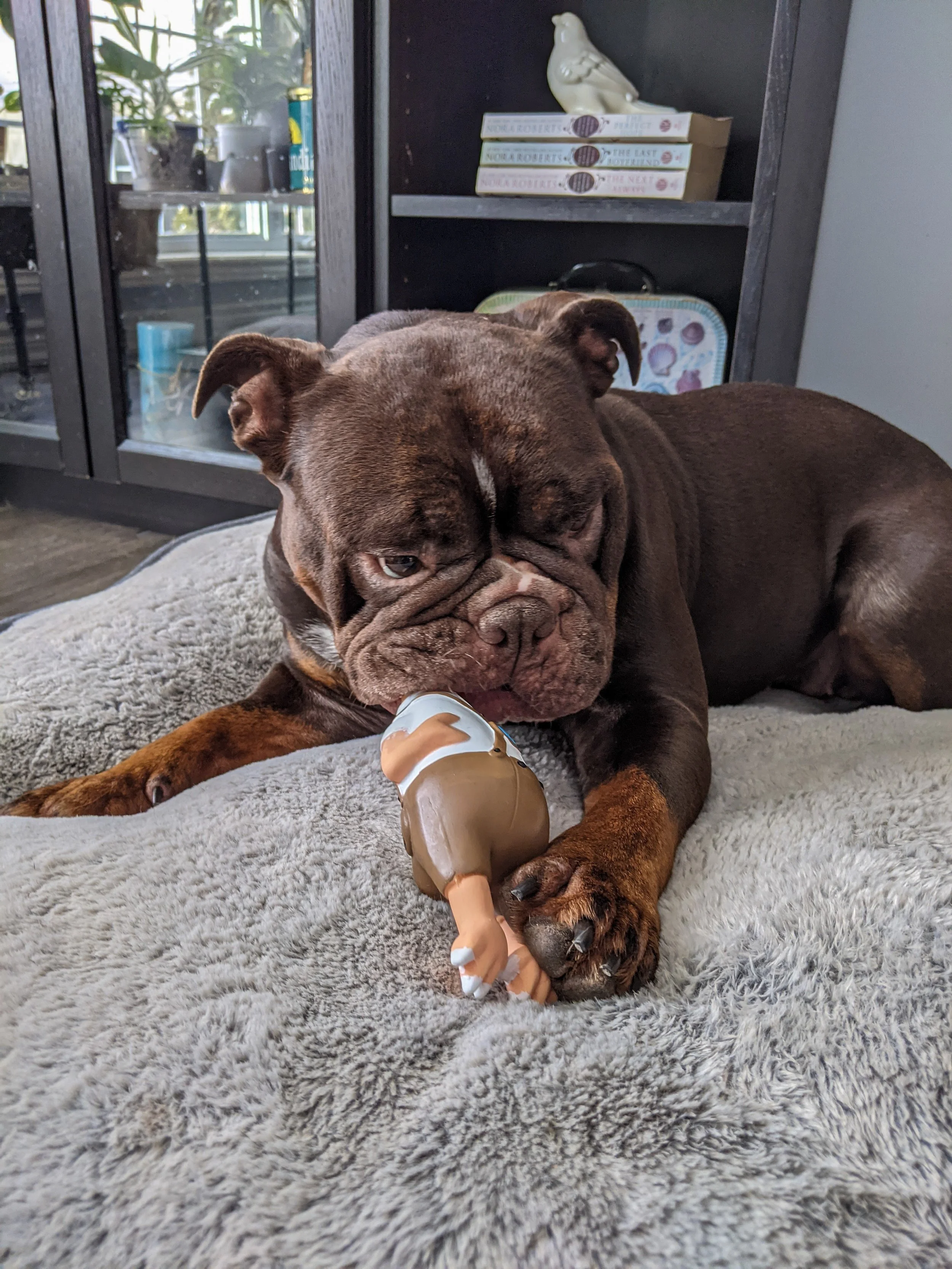
Dogs sometimes position their body around an item they value while keeping an eye on what’s happening nearby.
You might see:
• the item held between the front paws
• the head lowered over the object
• the dog monitoring nearby movement
This posture helps the dog maintain possession of the item and acts as a distance-increasing signal, meaning “please do not approach”.
Like most body language signals, it’s the combination of posture, context, and environment that helps tell the story.
Movement & Stillness
Movement — and sudden stillness — can reveal how a dog is processing what’s happening around them.
Sniffing, slowing down, pausing, freezing, or changing direction can all be ways a dog releases pressure, gathers information, or creates space.
Watching how movement changes helps you spot shifts in your dog’s internal state — and recognize when they may need support, distance, or a break.
Social Signals
Dogs use a variety of small gestures to communicate friendly intentions and reduce tension during social interactions. These behaviours are often subtle and easy to miss, but they play an important role in how dogs maintain comfortable relationships with one another.
Watching for these subtle gestures helps you understand how dogs negotiate space, communicate friendliness, and navigate their relationships with one another.
Muzzle Licking
Puppies often lick or nuzzle around the mouths of older dogs during close social interactions. In these photos, Hazel is a puppy and young teenager greeting two senior dogs she has known since she was a wee baby. Both dogs are extremely tolerant and get along well with all sorts of personalities. We spent a lot of time hiking and camping together over the years, so these dogs are familiar and important parts of her social world.
You can see Hazel stretching up toward the older dogs’ faces to lick around the muzzle. Her body remains loose and relaxed while she repeatedly nudges and licks at their mouths. It’s giving “I’m sorry my mom made me sit here” vibes.
Gestures like this are common in puppies and often appear during greetings or moments of close social contact. They help communicate friendly intentions, diffuse tension, and maintain connection between dogs.
As puppies grow, muzzle licking continues to function as a social signal that helps dogs navigate interactions and maintain comfortable relationships with one another.
More To Explore
Skip the scroll and head straight to a section.